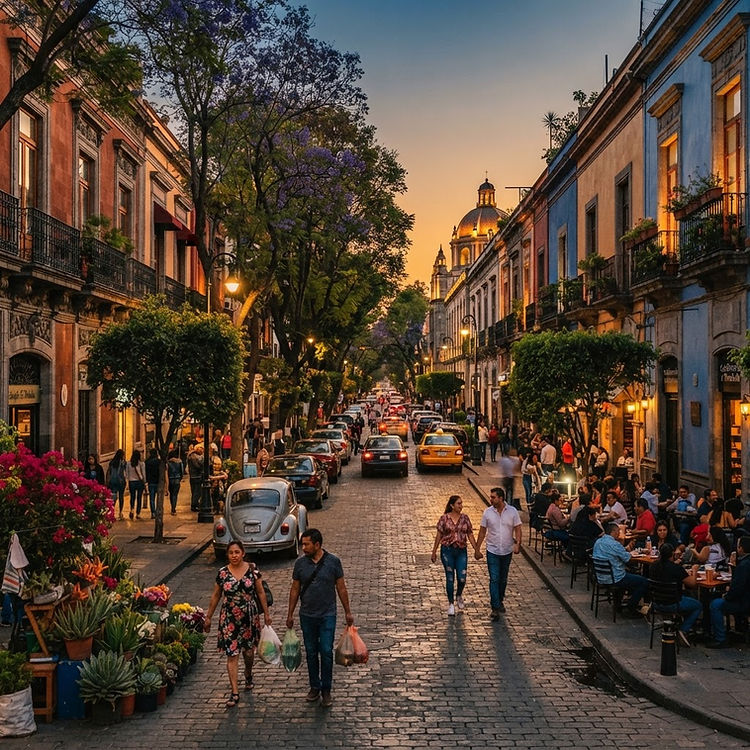
The culinary scene in Tulum is defined by the integration of traditional Mayan cooking methods and access to diverse coastal produce. Diners often find dishes seasoned with achiote paste, a cornerstone of the regional pantry, which provides a distinct earthy flavor and vibrant color to meats and seafood. Street stalls and established restaurants frequently highlight the use of local citrus and habanero peppers to create balanced, aromatic profiles that represent the agricultural bounty of the Yucatan.
Dining culture is split between the town center and the beach road, each offering a distinct atmosphere. The town is known for more casual, accessible eateries where authentic recipes are prepared for residents and travelers alike. Meanwhile, the beachfront area focuses on open-air settings, emphasizing the relationship between the sea and the meal through ingredients prepared over open wood fires.
Markets throughout the area are the primary sources for seasonal fruit and fresh fish. By engaging with these local providers, the community sustains a food ecosystem that values proximity and heritage, ensuring that every meal connects back to the land and the surrounding traditions.
Destinations in this story

Related articles

Cape Town Culinary Traditions And Flavors
Cape Town offers a distinct culinary landscape defined by Malay spices, local seafood, and a vibrant culture of markets and modern vineyard dining experiences.

Exploring authentic dining culture in Cairo
Egyptian cuisine relies on legumes, fresh bread, and regional spices, providing a foundation for daily meals found in markets, street stalls, and traditional neighborhood cafes.

A Culinary Exploration Through Marrakech Souks
Marrakech offers a diverse palate defined by tagines, couscous, and street snacks, deeply rooted in centuries of tradition and local agricultural practices found within the city.