
The dining scene in Cape Town is deeply rooted in the traditions of the Cape Malay community, whose influence is evident in the widespread use of aromatic spices. Signature dishes like bobotie and various curries highlight this historical intersection of cultures. Fresh seafood, caught daily along the Atlantic seaboard, remains a central component of the local diet, often served in a casual manner near the working harbour or at coastal restaurants.
Beyond traditional dishes, the city supports a strong culture of local markets where fresh produce and artisan goods are sold. These spaces serve as community hubs that connect city residents with farmers from the surrounding wine regions. Visitors can find diverse options ranging from informal stalls offering quick snacks to refined dining establishments situated in the rolling vineyards just outside the city center.
The dining culture prioritizes access to regional ingredients, focusing on seasonal availability and local wines. Whether exploring the bustling food halls or sitting in a quiet garden café, the emphasis is on the variety of flavors that have coalesced in this coastal environment over several centuries.
Destinations in this story

Related articles

Exploring authentic dining culture in Cairo
Egyptian cuisine relies on legumes, fresh bread, and regional spices, providing a foundation for daily meals found in markets, street stalls, and traditional neighborhood cafes.

A Culinary Exploration Through Marrakech Souks
Marrakech offers a diverse palate defined by tagines, couscous, and street snacks, deeply rooted in centuries of tradition and local agricultural practices found within the city.
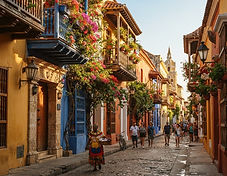
Traditional Flavors of the Colombian Coast
Coastal cuisine in Cartagena relies on fresh Caribbean ingredients like coconut rice, fried fish, and seasonal fruits sold by the iconic palenqueras in colorful plazas.