
The culinary scene in Marrakech centers on the tagine, a slow-cooked stew prepared in earthenware pots with combinations of meat, vegetables, and dried fruits. Couscous remains a staple, traditionally prepared on Fridays with elaborate vegetable arrangements. Many local dishes feature preserved lemons, olives, and a distinct blend of spices like ginger, saffron, and cinnamon that define the regional flavor profile found in kitchens across the medina.
Dining culture often revolves around communal settings where bread acts as a primary tool for eating. The markets, known as souks, offer fresh produce, dates, and nuts, while open stalls provide opportunities to sample local charcoal-grilled meats. These vibrant hubs facilitate a direct connection between local farmers and the residents, ensuring that seasonal ingredients remain at the forefront of the daily diet throughout the year.
Districts like the northern medina harbor traditional bakeries where locals bring dough to be cooked in wood-fired ovens. While modern restaurants have emerged, the heart of the food culture persists in these small, family-run establishments. Observing the preparation of mint tea, a ubiquitous symbol of hospitality, offers a window into the rhythms of local life that permeate every dining encounter within the city.
Destinations in this story

Related articles

Cape Town Culinary Traditions And Flavors
Cape Town offers a distinct culinary landscape defined by Malay spices, local seafood, and a vibrant culture of markets and modern vineyard dining experiences.

Exploring authentic dining culture in Cairo
Egyptian cuisine relies on legumes, fresh bread, and regional spices, providing a foundation for daily meals found in markets, street stalls, and traditional neighborhood cafes.
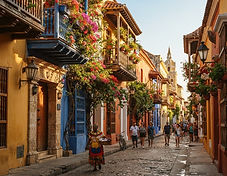
Traditional Flavors of the Colombian Coast
Coastal cuisine in Cartagena relies on fresh Caribbean ingredients like coconut rice, fried fish, and seasonal fruits sold by the iconic palenqueras in colorful plazas.