Destination lists are usually written backwards: a photograph, then a reason. This one starts with what actually determines a good trip, the month you can travel, the money you have, and the kind of day you want to have.
The destinations earning their reputation right now
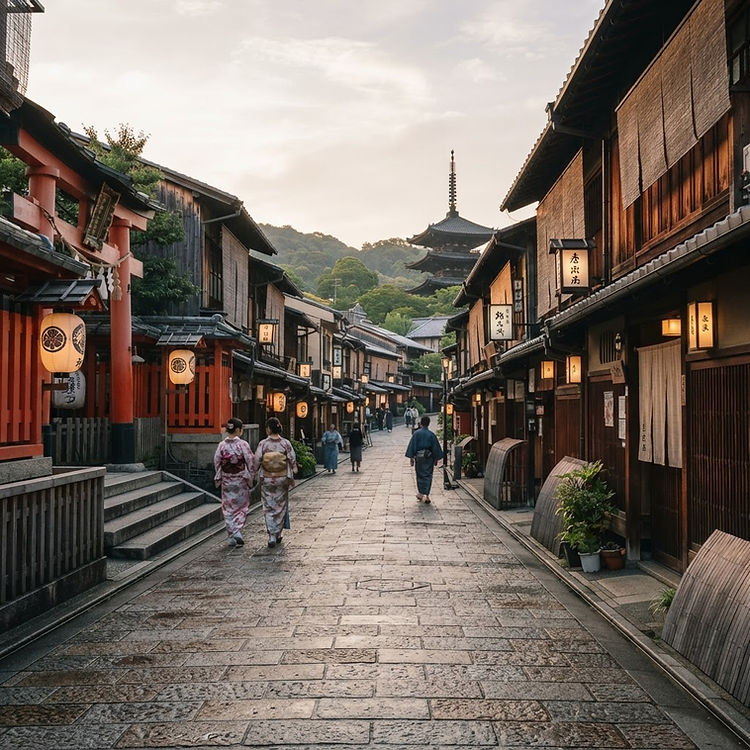
Kyoto, Japan. Still the deepest short-haul heritage city in the world, provided you travel outside the two weeks of cherry blossom and the first week of November foliage. Late spring and early winter give you the same temples with a fraction of the crowd.
Cape Town, South Africa. The rare city that combines a mountain, two oceans, wine country within an hour and a food scene that has grown up without becoming precious. The wind and the season are the variables, not the quality.
Lisbon, Portugal. Compact, walkable, well connected and unusually good value for a western European capital. It rewards a four-night stay and punishes a two-night one.
AlUla, Saudi Arabia. Heritage at a scale that is still quiet: carved tombs, desert landscapes and serious hotel investment without the crowds of comparable sites elsewhere.
Jodhpur, India. A blue city with a fort that is genuinely one of the great buildings of the world, and a scale that is manageable for a first visit to India.
Reykjavik, Iceland. Weather-led and worth it: the landscape within two hours of the city is the reason to come, so plan around conditions rather than an itinerary.
How to choose between them
Match the destination to the month first, then to the interest.
- If you can travel in shoulder season: Portugal, Japan, South Africa
- If you can only travel in high summer: Iceland, northern Europe, high-altitude destinations
- If food is the point: Japan, South Africa, Portugal, Singapore
- If heritage is the point: Japan, India, Saudi Arabia, Italy
- If you want a first trip outside your comfort zone: Portugal, Japan, the Gulf
The overtourism correction
The bigger shift of the last few years is that the famous places are now time-sensitive rather than season-sensitive. Venice, Santorini and central Kyoto are manageable in the early morning and unpleasant at midday. The fix is not to avoid them; it is to sleep inside them, get up early, and take the last entry slot of the day.
What we look for before recommending
Depth beyond the headline sight, seasonality that is predictable, transport that works without a car, cost that is proportionate to the experience, and a realistic answer to the question of how many nights it deserves.
Every destination we cover has a dashboard with cost profiles, climate, transit and safety data, because those are the four things that decide whether the trip works.
Advertisement
Destinations in this story


Related articles


Exploring The Distinct Neighborhoods Of Cape
Cape Town comprises various districts that offer different experiences, from historic architecture and vibrant streets to modern residential areas and quiet suburban landscapes.
Significant Monuments Of The Cape Peninsula
Key monuments across Cape Town represent the complex historical trajectory of the city, serving as anchors for understanding both colonial impact and political change.
Planning A Day Around Iconic Attractions
Organizing a day in Cape Town requires balancing natural heights and maritime history, allowing enough transition time between mountain views and the bustling waterfront.