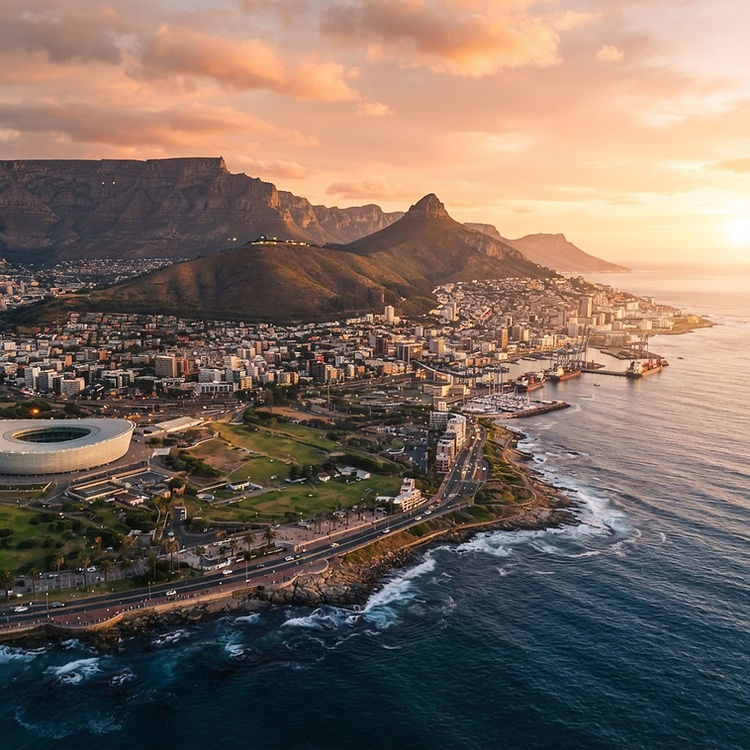
A structured day in Cape Town often begins with a visit to the high vantage points that overlook the peninsula. Travelers typically aim for the mountain cableway early to avoid midday heat, capturing views of the city basin and the surrounding coastline. This elevated perspective provides necessary context for the geography before descending toward the historical areas near the harbor where maritime activity remains a constant feature.
After visiting the summit, the route naturally leads toward the waterfront districts. These areas serve as the primary hub for tourist infrastructure, hosting museums, boat departures for island visits, and extensive pedestrian pathways. Navigating these spaces requires a steady pace to account for the distances involved between the harbourfront and the city grid, as traffic can be significant during peak commute periods.
Effective planning involves grouping attractions by their proximity to the central mountain range. By focusing on either the city side or the coastal side for each half of the day, visitors minimize travel time and gain a clearer understanding of how the peninsula geography dictates movement throughout the afternoon.
Destinations in this story

Related articles

Exploring The Distinct Neighborhoods Of Cape
Cape Town comprises various districts that offer different experiences, from historic architecture and vibrant streets to modern residential areas and quiet suburban landscapes.
Significant Monuments Of The Cape Peninsula
Key monuments across Cape Town represent the complex historical trajectory of the city, serving as anchors for understanding both colonial impact and political change.
The Shaping Of A Port City History
Founded as a supply station for Dutch ships, Cape Town evolved through colonial rule, resistance, and the transition toward a new democratic South African society.