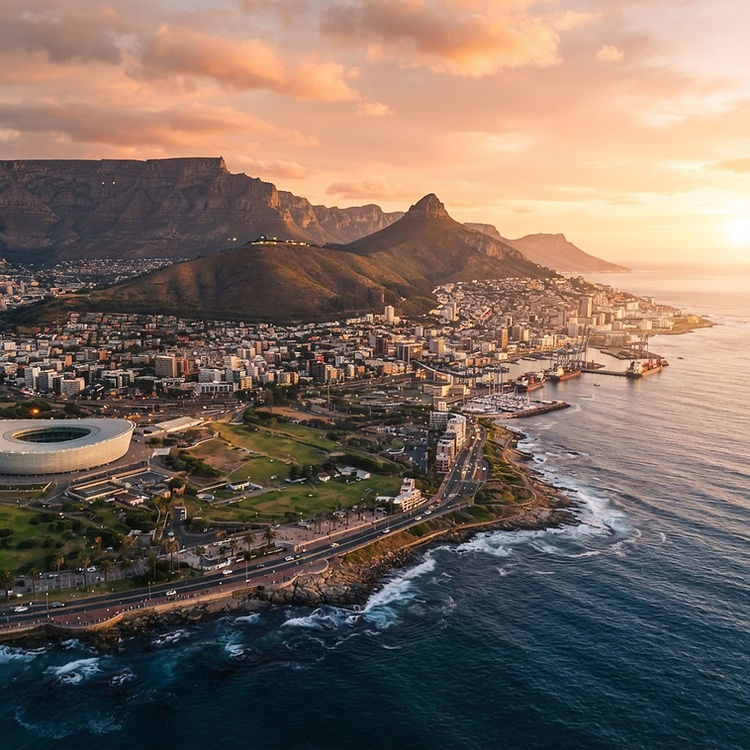
The history of Cape Town begins with its strategic importance as a refreshment station for the Dutch East India Company in the seventeenth century. This initial maritime post facilitated the growth of a colonial society, though it was fundamentally altered by the introduction of forced labor from across the Indian Ocean and the dispossession of indigenous populations. Over subsequent centuries, the city became a focal point for the complex intersection of British imperial interests and internal social tensions.
The twentieth century brought the restrictive policies of apartheid, which physically divided the city according to racial classifications. Key areas were cleared or designated for specific groups, an infrastructure of segregation that still leaves marks on the urban landscape today. This period of intense political struggle eventually culminated in the late twentieth century, with the release of political prisoners and the eventual establishment of a democratic state.
Today, the city reflects these layers of history in its architecture and public spaces. From the colonial structures of the central business district to the memorial sites dedicated to the liberation struggle, the past remains an active component of daily life.
Destinations in this story

Related articles

Exploring The Distinct Neighborhoods Of Cape
Cape Town comprises various districts that offer different experiences, from historic architecture and vibrant streets to modern residential areas and quiet suburban landscapes.
Significant Monuments Of The Cape Peninsula
Key monuments across Cape Town represent the complex historical trajectory of the city, serving as anchors for understanding both colonial impact and political change.
Planning A Day Around Iconic Attractions
Organizing a day in Cape Town requires balancing natural heights and maritime history, allowing enough transition time between mountain views and the bustling waterfront.