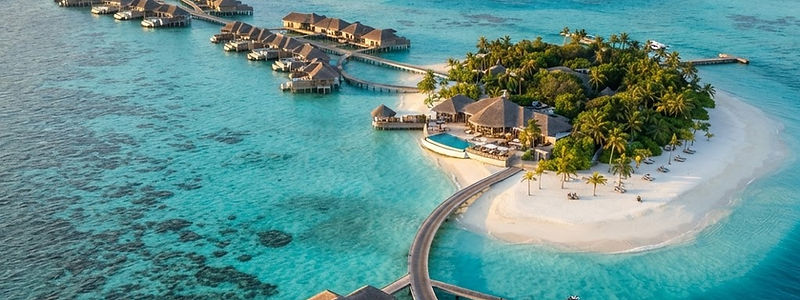
A luxury tour is not a group trip with better hotels bolted on. It is a different structure: one guide who works for you, a route built around your pace, stays chosen for a reason, and a single point of contact when a flight moves or a restaurant cancels. The price premium buys coordination and access, not marble.
This guide explains how luxury tours are assembled, which formats suit which trips, how the pricing is actually built, and the questions that separate a serious operator from a well-photographed brochure.
What separates a luxury tour from an expensive group tour
The difference is control. On a genuine private tour you decide what time the day starts, whether the museum gets three hours or forty minutes, and whether dinner is the tasting menu or the neighbourhood place the guide eats at. Everything downstream, transfers, reservations, timed entries, adapts to that decision.
Six things are worth checking for specifically:
- A named, licensed guide for the whole journey rather than a different local contact each morning.
- Stays chosen for location and character, not just a star rating or a chain code.
- Private transfers built into the itinerary, including the awkward 5am airport run.
- Explicit inclusions: which meals, which entries, which gratuities are already covered.
- A maximum group size written down, even on small-group departures (12 to 16 is the realistic ceiling for "small").
- A 24-hour contact who can rebook a cancelled train at 9pm on a Sunday.
The five formats of a luxury tour
Most premium trips are one of five shapes. Choosing the right shape matters more than choosing the destination.
- Private guided journey: guide and vehicle throughout, one to three rooms. Highest flexibility, highest per-day cost.
- Small-group departure: fixed dates, 8 to 16 travellers, expert-led. Better value, less spontaneity.
- Suite on a river or expedition ship: unpack once, wake up somewhere new. Strong for multi-country regions.
- Self-drive with concierge: your own car and route, with a local team handling bookings, restaurants and problems.
- Rail journeys: long-distance trains in premium classes with arranged sightseeing at each stop. Excellent in Japan and Europe.
How luxury tour pricing is actually built
Operators price on cost stack plus margin, and the stack is predictable. Accommodation is usually the largest line, followed by guiding and transport, then exclusive experiences, then internal flights and transfers, then the operator margin and any single supplement.
That is why two quotes for the same eight nights can differ by a wide margin without either being dishonest: one is running four-star-plus rooms with a shared guide, the other is running suites with a private guide and a driver. Ask for the quote broken into accommodation, guiding, transport, experiences and margin. A good operator will send it.
Season moves the number more than anything else. The same itinerary in peak school holidays and in the shoulder weeks either side can differ enormously, with identical weather in many destinations.
How to choose an operator
Start with licensing and financial protection: bonded or licensed in their operating country, with clear insolvency cover. Then look for specificity. A serious proposal names the hotel and room category, the guide, the vehicle, and the restaurant, and tells you what happens if any of them is unavailable.
Three questions do most of the work:
- Who is the guide, and are they employed by you or subcontracted locally?
- What is the cancellation policy at 90, 60 and 30 days, and is the deposit refundable?
- Which parts of this itinerary have you run in the last twelve months, and what changed?
Where a luxury tour earns its premium
The premium pays off most where logistics are hard or access is gated. Japan in cherry season, Italy in high summer, Morocco and Saudi Arabia on a first visit, Southern Africa on a multi-country safari, and the Maldives where resort transfers are seaplane-dependent.
It pays off least in cities you already know, where a good hotel and two or three pre-booked tables achieve most of the same result.
Lead times and booking sequence
For peak-season travel, nine to twelve months is normal for the best guides and the smallest lodges. Book the shape of the trip first (dates, route, guide), then the stays, then the experiences, then the transport detail. Deposits are typically a fraction of the total with the balance due before departure, so read the payment schedule as carefully as the itinerary.
Where this applies first








Go deeper

Luxury Tours: How to Choose a Private Tour Worth the Premium
Private guides, gated access and a single point of contact. What a luxury tour actually includes, how the price is built, and the questions that separate a serious operator from a brochure.

Luxury Tour Packages vs Planning It Yourself: An Honest Cost Comparison
Where a luxury tour package is genuinely cheaper than booking the same trip yourself, where it is not, and how to build a hybrid that keeps the best of both.


Luxury Hotel Booking Perks: Upgrades, Breakfast and Late Checkout
How consortia rates, loyalty status and a well-timed request produce breakfast, credits and upgrades without paying for a higher category.
Luxury tours questions, answered
- Are luxury tours worth the money?
- They are worth it when the destination is logistically difficult, when your time is scarce, or when access is gated by permits, private openings or expert guides. They are harder to justify in cities you already know, where a well-located hotel and a few reservations deliver most of the benefit.
- How much does a luxury tour cost per day?
- Pricing is built from accommodation, guiding, transport and experiences rather than a flat daily rate, so ask operators for a line-item quote. Guiding is usually the largest single line after rooms, and it scales with language, expertise and access rather than with the number of hours.
- Is a private guide better than a small-group tour?
- A private guide gives you control of pace and content, which matters most on a first visit, with children, or when your interests are specific. Small-group departures are better value and often come with a stronger specialist lecturer, but you trade flexibility for the fixed schedule.
- Can a group tour be customised?
- Sometimes. Many operators allow pre and post extensions, room upgrades and private transfer add-ons around a fixed departure. Ask which elements are fixed (dates, route, hotels) and which can be adjusted before you commit to a deposit.
- When should I book a luxury tour?
- Nine to twelve months ahead for peak season, six months for shoulder season, and as early as possible whenever the itinerary depends on a specific guide, a small lodge or a permit-limited experience. Last-minute works best for city-based trips with flexible dates.
Still deciding? Send the editors a question and we will answer it in the magazine.