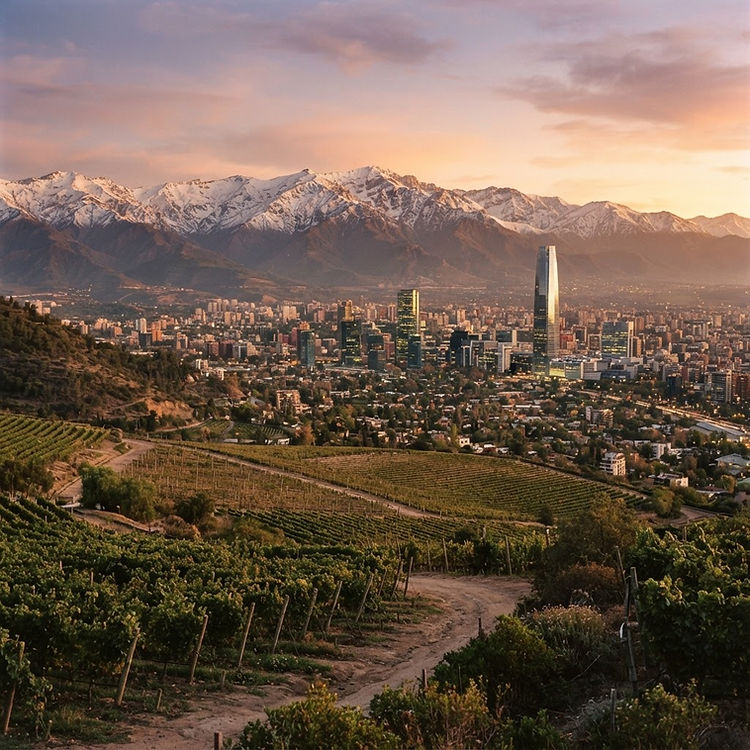
Dining in Santiago reflects a blend of indigenous roots and colonial traditions. Signature dishes such as pastel de choclo, a corn-based pie with meat filling, and empanadas de pino demonstrate the reliance on local harvests. Markets like La Vega Central act as the heartbeat of the city's food culture, where vendors provide fresh produce and ingredients to both residents and professional kitchens across the valley.
The dining landscape is spread across distinct districts, each offering a different atmosphere. Neighbourhoods like Lastarria house refined establishments focusing on regional techniques, while Bellavista maintains a casual environment perfect for sampling local wines. Visitors often find that the connection between the market stalls and the kitchen table defines the local culinary experience, emphasizing simplicity and fresh ingredients over complex preparation methods.
Local consumption patterns favour long, relaxed meals. Many establishments focus on seasonal menus that mirror the availability of crops from the nearby fertile plains. This focus on sourcing results in a consistent appreciation for the regional bounty that remains central to the identity of the city.
Destinations in this story

Related articles

Cape Town Culinary Traditions And Flavors
Cape Town offers a distinct culinary landscape defined by Malay spices, local seafood, and a vibrant culture of markets and modern vineyard dining experiences.

Exploring authentic dining culture in Cairo
Egyptian cuisine relies on legumes, fresh bread, and regional spices, providing a foundation for daily meals found in markets, street stalls, and traditional neighborhood cafes.

A Culinary Exploration Through Marrakech Souks
Marrakech offers a diverse palate defined by tagines, couscous, and street snacks, deeply rooted in centuries of tradition and local agricultural practices found within the city.