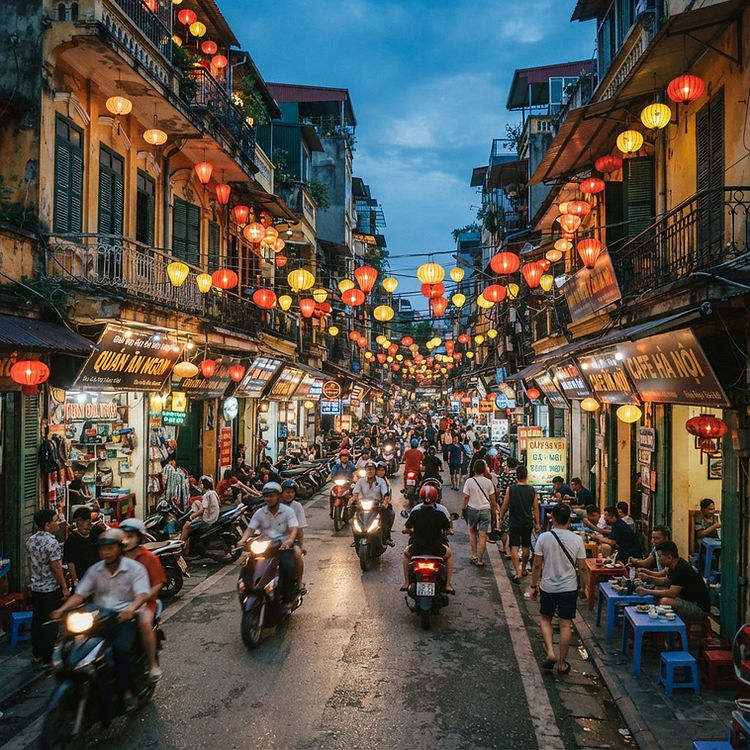
Food serves as a defining element of daily existence in the city, where dishes like pho and com tam reveal the importance of fresh, local ingredients. Dining culture is inherently social and frequently occurs on sidewalks where stools are pulled up to low tables. This atmosphere allows for a constant interaction between cooks and those passing through during morning or evening hours.
Districts like District 3 and District 5 offer varied culinary experiences. The former features quieter eateries tucked into residential alleys, while the latter is known for its strong culinary heritage linked to the local community. Markets such as Ben Thanh provide an entry point for observing the variety of fruits, herbs, and proteins that form the foundation of southern Vietnamese recipes.
Engagement with the culinary landscape involves recognizing the regional variations that emphasize a balance of sweet, salty, and spicy notes. Whether sitting at a refined establishment or a roadside stall, the focus remains on the preparation of staple dishes. This approach ensures that dining stays central to the rhythm of urban activity.
Destinations in this story

Related articles

Cape Town Culinary Traditions And Flavors
Cape Town offers a distinct culinary landscape defined by Malay spices, local seafood, and a vibrant culture of markets and modern vineyard dining experiences.

Exploring authentic dining culture in Cairo
Egyptian cuisine relies on legumes, fresh bread, and regional spices, providing a foundation for daily meals found in markets, street stalls, and traditional neighborhood cafes.

A Culinary Exploration Through Marrakech Souks
Marrakech offers a diverse palate defined by tagines, couscous, and street snacks, deeply rooted in centuries of tradition and local agricultural practices found within the city.