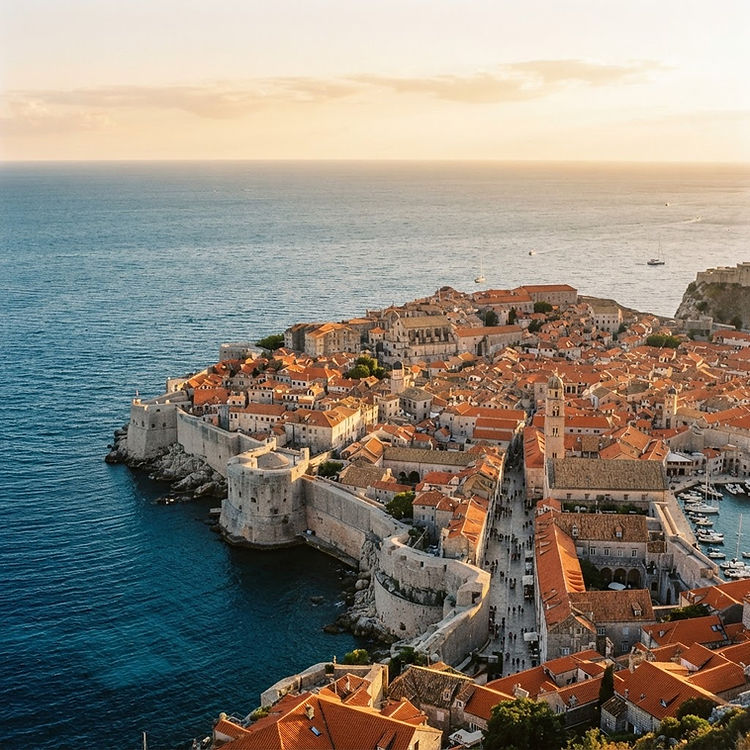
The culinary tradition in this region focuses on simplicity and the quality of local ingredients. Signature dishes often highlight the catch of the day, including grilled fish and black risotto prepared with cuttlefish ink. Dining culture emphasizes slow meals enjoyed outdoors, often accompanied by wines produced from indigenous grapes grown in the surrounding coastal vineyards.
Gunduliceva Poljana market serves as the primary hub for fresh produce within the city walls. Visitors encounter vendors selling local figs, dried fruits, and honey, which reflect the agricultural bounty of the hinterland. This market remains a vital gathering point for local households seeking seasonal vegetables and traditional regional herbs.
For those seeking diverse dining, the old town offers numerous family-run establishments nestled in narrow stone corridors. The districts beyond the walls, particularly the Lapad peninsula, provide a wider variety of dining environments. These areas offer more space for tables, allowing patrons to dine while observing the maritime activity of the surrounding harbour and the calm waters of the Adriatic.
Destinations in this story

Related articles

Cape Town Culinary Traditions And Flavors
Cape Town offers a distinct culinary landscape defined by Malay spices, local seafood, and a vibrant culture of markets and modern vineyard dining experiences.

Exploring authentic dining culture in Cairo
Egyptian cuisine relies on legumes, fresh bread, and regional spices, providing a foundation for daily meals found in markets, street stalls, and traditional neighborhood cafes.

A Culinary Exploration Through Marrakech Souks
Marrakech offers a diverse palate defined by tagines, couscous, and street snacks, deeply rooted in centuries of tradition and local agricultural practices found within the city.