Dining in Darjeeling revolves around local ingredients adapted to the cool mountain climate. The culinary landscape is heavily influenced by Tibetan, Nepali, and Bengali traditions. Staple dishes often include variations of dumplings known as momos, which are found in establishments throughout the town. These are frequently accompanied by spicy chutneys that reflect the preference for bold flavors within the local cooking culture.
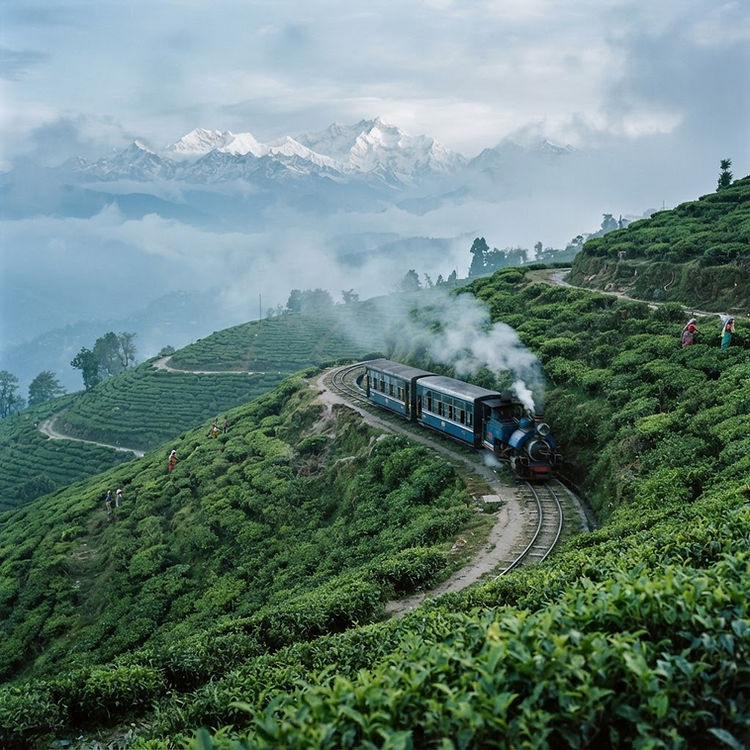
Tea remains the central pillar of the local industry and daily life. Many residents and visitors engage in the practice of tea tasting, sourcing leaves directly from the historic estates that surround the town. These tea gardens not only influence the local economy but also provide a distinct cultural experience for those interested in the processing and origins of the varieties grown in the region.
For those seeking diverse flavors, the markets and cafes clustered near the town center offer a range of preparations, from hearty thukpa noodle soup to baked goods inherited from the colonial era. The dining culture encourages a relaxed pace, allowing visitors to appreciate the integration of highland agriculture with established regional food traditions.
Destinations in this story

Related articles

Cape Town Culinary Traditions And Flavors
Cape Town offers a distinct culinary landscape defined by Malay spices, local seafood, and a vibrant culture of markets and modern vineyard dining experiences.

Exploring authentic dining culture in Cairo
Egyptian cuisine relies on legumes, fresh bread, and regional spices, providing a foundation for daily meals found in markets, street stalls, and traditional neighborhood cafes.

A Culinary Exploration Through Marrakech Souks
Marrakech offers a diverse palate defined by tagines, couscous, and street snacks, deeply rooted in centuries of tradition and local agricultural practices found within the city.