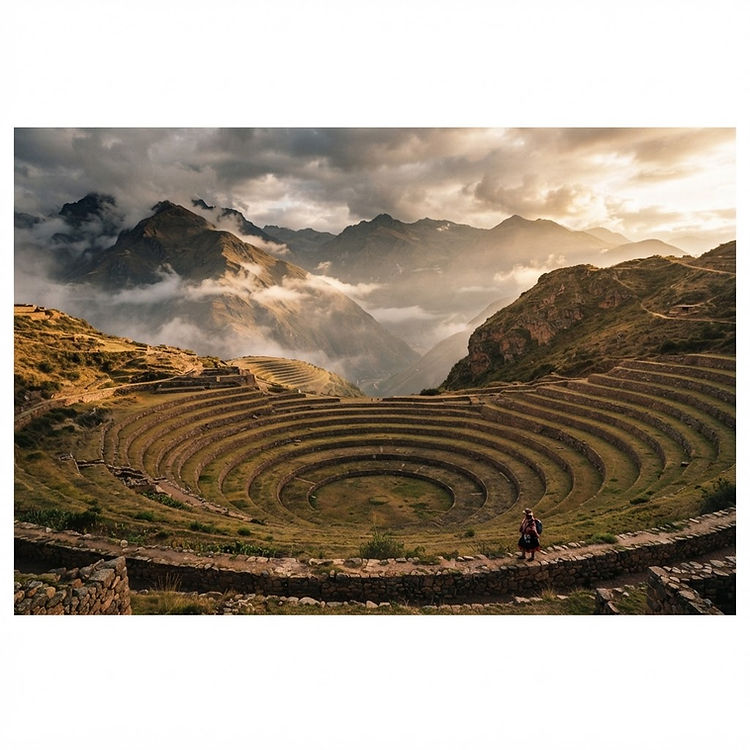
The culinary traditions of Cusco are rooted in the agricultural diversity of the surrounding Andes. Local markets, such as San Pedro, act as the primary centers for sourcing ingredients like various native potato varieties, maize, and quinoa. Diners frequently encounter dishes featuring alpaca meat or cuy, which is served whole in traditional preparations. These meals are often accompanied by rocoto peppers, which add a distinct heat to the regional palate. The dining scene is distributed between casual stalls within the market halls and more formal establishments found near the main plaza. In the San Blas neighborhood, chefs often experiment with traditional techniques, incorporating forest products sourced from lower elevations into standard highland fare. Eating in Cusco is an exercise in understanding the relationship between the rugged geography and the sustenance it provides to the population. Whether selecting a simple soup from a vendor or visiting a restaurant housed in an old colonial building, the food consistently highlights the elevation and local harvest cycles.
Destinations in this story

Related articles

Cape Town Culinary Traditions And Flavors
Cape Town offers a distinct culinary landscape defined by Malay spices, local seafood, and a vibrant culture of markets and modern vineyard dining experiences.

Exploring authentic dining culture in Cairo
Egyptian cuisine relies on legumes, fresh bread, and regional spices, providing a foundation for daily meals found in markets, street stalls, and traditional neighborhood cafes.

A Culinary Exploration Through Marrakech Souks
Marrakech offers a diverse palate defined by tagines, couscous, and street snacks, deeply rooted in centuries of tradition and local agricultural practices found within the city.