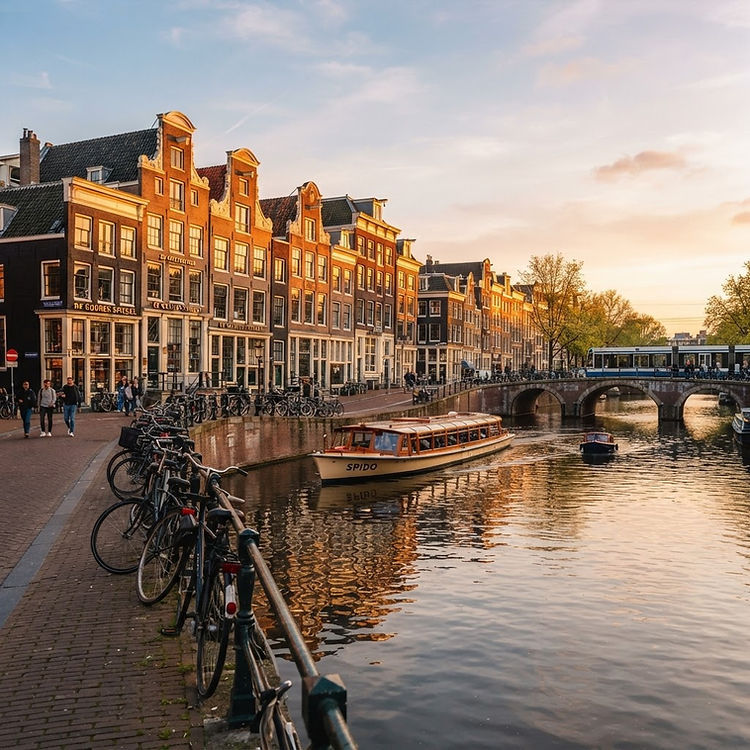
Dining in the city reflects a blend of traditional Dutch recipes and colonial influences. Signature items such as raw herring, served with onions and pickles, remain a staple at street markets. Hearty dishes like stamppot, a combination of mashed potatoes and vegetables, represent the local comfort food tradition often found in established neighborhood eateries.
Beyond street food, the city boasts a long-standing cafe culture. These venues serve as social hubs where coffee and pastries, including the syrup-filled stroopwafel, are standard. The De Pijp district is particularly noted for its variety of dining options, ranging from traditional brown cafes to contemporary establishments that emphasize local produce and international flavors.
Markets like Albert Cuyp provide direct access to regional ingredients and prepared meals. Visitors can find an array of cheeses, freshly baked breads, and artisanal snacks throughout these public spaces. This informal dining style allows for a practical exploration of Dutch culinary customs, moving away from formal settings to appreciate the simplicity and quality of authentic local fare.
Destinations in this story

Related articles

Cape Town Culinary Traditions And Flavors
Cape Town offers a distinct culinary landscape defined by Malay spices, local seafood, and a vibrant culture of markets and modern vineyard dining experiences.

Exploring authentic dining culture in Cairo
Egyptian cuisine relies on legumes, fresh bread, and regional spices, providing a foundation for daily meals found in markets, street stalls, and traditional neighborhood cafes.

A Culinary Exploration Through Marrakech Souks
Marrakech offers a diverse palate defined by tagines, couscous, and street snacks, deeply rooted in centuries of tradition and local agricultural practices found within the city.