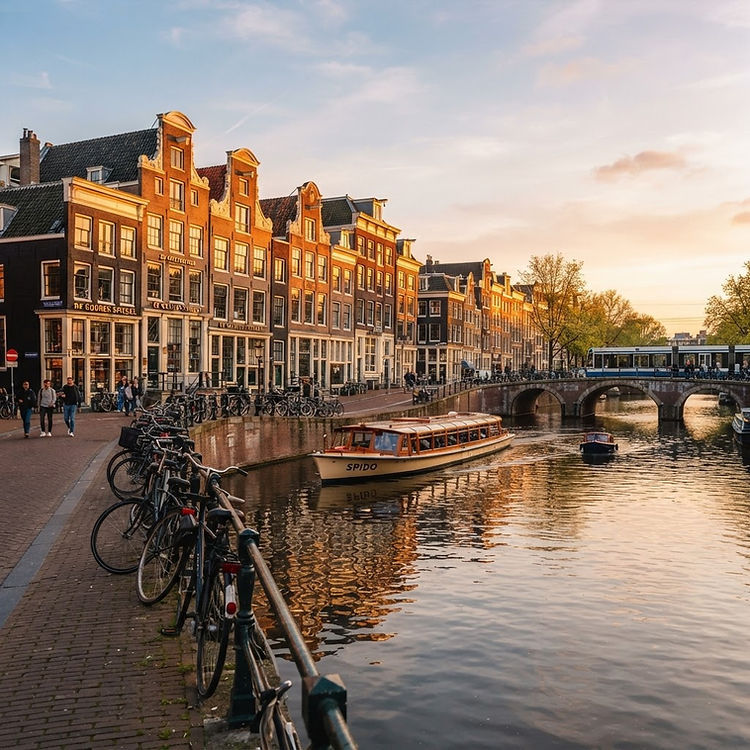
The canal ring, or Grachtengordel, represents the historic center of the city. Here, the architecture dates back to the seventeenth century, and the streets are organized around a series of concentric waterways. It is the primary area for those seeking to understand the foundational urban structure and the legacy of the Golden Age period.
Moving south, the De Pijp district offers a more residential and varied atmosphere. Originally a working-class neighborhood, it is now known for its diverse culinary scene and the large outdoor market that occupies a central thoroughfare. The area is distinct for its nineteenth-century housing and proximity to the major museums located at the city perimeter.
Further out, quiet side streets offer a different view of daily life. These areas contain boutique hotels and smaller shops that cater to a more localized experience. Exploring these varied districts provides a comprehensive view of how different eras of development have shaped the city, from the dense historic core to the more open residential neighborhoods.
Advertisement
Destinations in this story

Related articles

Exploring The Distinct Neighborhoods Of Cape
Cape Town comprises various districts that offer different experiences, from historic architecture and vibrant streets to modern residential areas and quiet suburban landscapes.
Significant Monuments Of The Cape Peninsula
Key monuments across Cape Town represent the complex historical trajectory of the city, serving as anchors for understanding both colonial impact and political change.
Planning A Day Around Iconic Attractions
Organizing a day in Cape Town requires balancing natural heights and maritime history, allowing enough transition time between mountain views and the bustling waterfront.