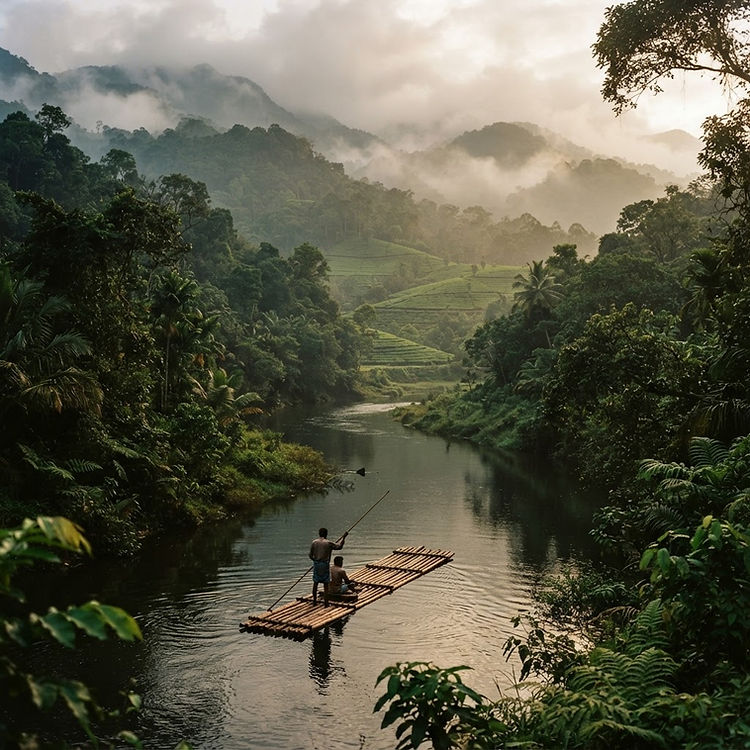
The history of Wayanad is etched into the stone walls of the Edakkal Caves, where prehistoric petroglyphs reveal human occupation dating back thousands of years. These ancient markings serve as a testament to the early civilizations that thrived amidst the dense, mountainous forests of the Western Ghats. The region was once part of the kingdom of the Pazhassi Raja, who led significant resistance movements against colonial encroachers, shaping the local identity as a bastion of independence and resilience.
During the colonial period, the landscape underwent a permanent transformation as British settlers introduced large-scale plantation agriculture. Coffee, tea, and spice estates were established, fundamentally altering the local economy and social structure. This shift integrated the plateau into the global trade network, establishing the region as a vital hub for agricultural production. The remnants of these plantations continue to influence the architectural style and the layout of the plateau today.
Modern Wayanad reflects a synthesis of these varied historical epochs, where traditional tribal practices coexist with contemporary plantation infrastructure. The preservation of cultural heritage remains a priority for the local population, who balance economic growth with the protection of their agrarian roots. Understanding this history provides essential context for the current environmental and social dynamics defining this interior region of Kerala.
Destinations in this story

Related articles

Exploring The Distinct Neighborhoods Of Cape
Cape Town comprises various districts that offer different experiences, from historic architecture and vibrant streets to modern residential areas and quiet suburban landscapes.
Significant Monuments Of The Cape Peninsula
Key monuments across Cape Town represent the complex historical trajectory of the city, serving as anchors for understanding both colonial impact and political change.
Planning A Day Around Iconic Attractions
Organizing a day in Cape Town requires balancing natural heights and maritime history, allowing enough transition time between mountain views and the bustling waterfront.