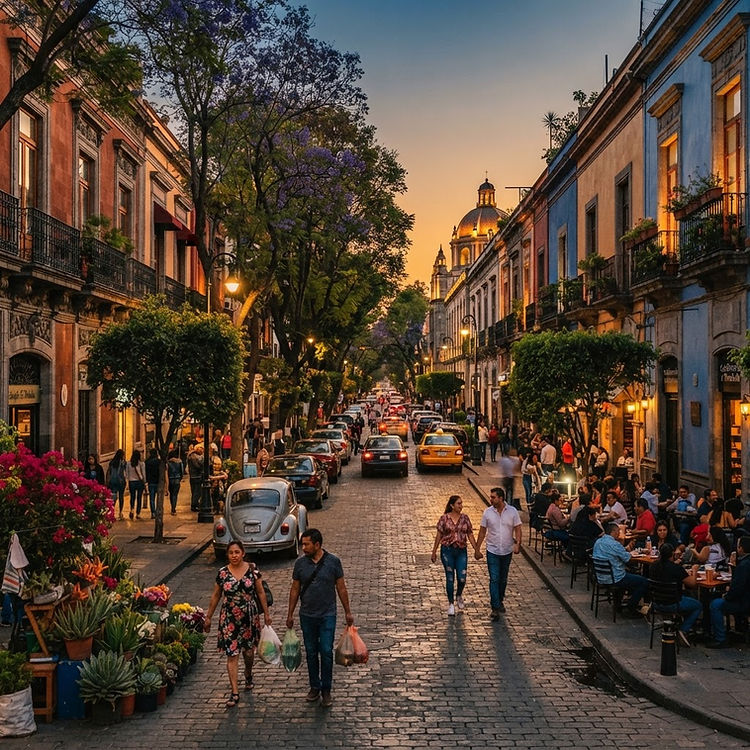
The town, often referred to as Tulum Pueblo, serves as the residential and commercial hub for the region. It features a dense concentration of businesses, markets, and housing, providing a central point for daily activity. This district is characterized by a grid layout and serves as the primary location for services that support both long-term residents and those staying for shorter periods. It is a functional area that reflects the everyday growth of the community.
In contrast, the beach road runs parallel to the coastline, separating the jungle from the sea. This stretch is defined by low-density development that prioritizes privacy and access to the water. The architecture here is often designed to blend into the surrounding vegetation, creating an atmosphere that feels separate from the busier inland grid. It is the primary location for coastal activities.
Understanding the distinction between these two zones is essential for navigating the environment. While the town offers a more concentrated urban experience, the beach road provides access to the natural shoreline, creating a dualistic experience that defines the geography.
Destinations in this story

Related articles

Exploring The Distinct Neighborhoods Of Cape
Cape Town comprises various districts that offer different experiences, from historic architecture and vibrant streets to modern residential areas and quiet suburban landscapes.
Significant Monuments Of The Cape Peninsula
Key monuments across Cape Town represent the complex historical trajectory of the city, serving as anchors for understanding both colonial impact and political change.
Planning A Day Around Iconic Attractions
Organizing a day in Cape Town requires balancing natural heights and maritime history, allowing enough transition time between mountain views and the bustling waterfront.