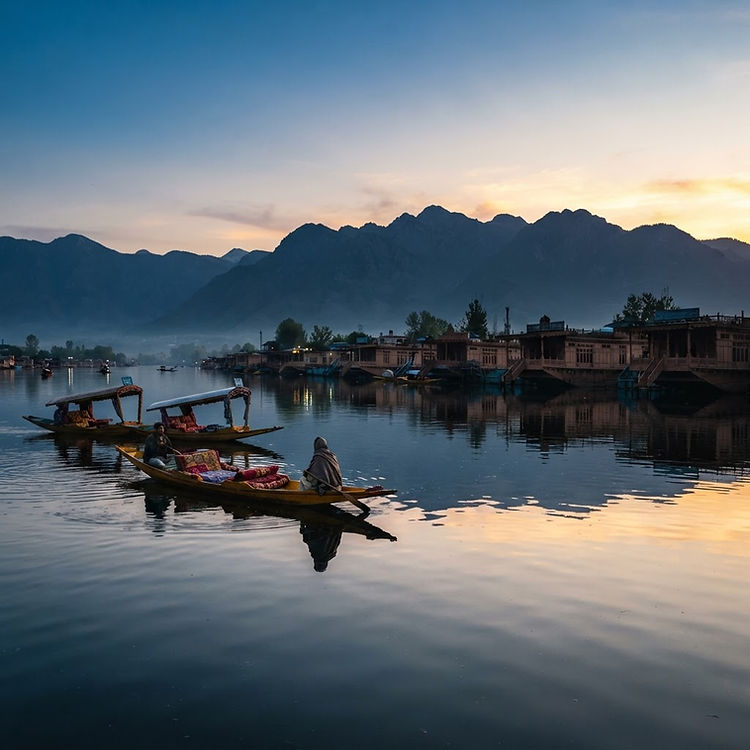
The history of Srinagar is woven into the geography of the Kashmir Valley. Founded by King Pravarasena II, the city has transitioned through various reigns, including the Kushans and the Mauryans. The strategic position attracted diverse rulers who left indelible marks on the cultural landscape, blending local traditions with regional administrative shifts over many centuries.
The Mughal period represents a critical turning point for the city. Emperors recognized the aesthetic potential of the lake setting, commissioning extensive gardens and infrastructure that remain central to the city identity. This era introduced Persian influence in garden design and architecture, creating a refined aesthetic that balanced natural beauty with deliberate urban planning and landscape design.
Contemporary life in Srinagar preserves these historical layers within its narrow lanes and traditional timber-framed residences. The city remains a nexus where the heritage of silk road trade routes meets the enduring spiritual practices of local shrines and mosques. Walking through the city reveals how previous centuries actively shape current spatial organization and daily social interactions within the historic urban fabric.
Destinations in this story

Related articles

Exploring The Distinct Neighborhoods Of Cape
Cape Town comprises various districts that offer different experiences, from historic architecture and vibrant streets to modern residential areas and quiet suburban landscapes.
Significant Monuments Of The Cape Peninsula
Key monuments across Cape Town represent the complex historical trajectory of the city, serving as anchors for understanding both colonial impact and political change.
Planning A Day Around Iconic Attractions
Organizing a day in Cape Town requires balancing natural heights and maritime history, allowing enough transition time between mountain views and the bustling waterfront.