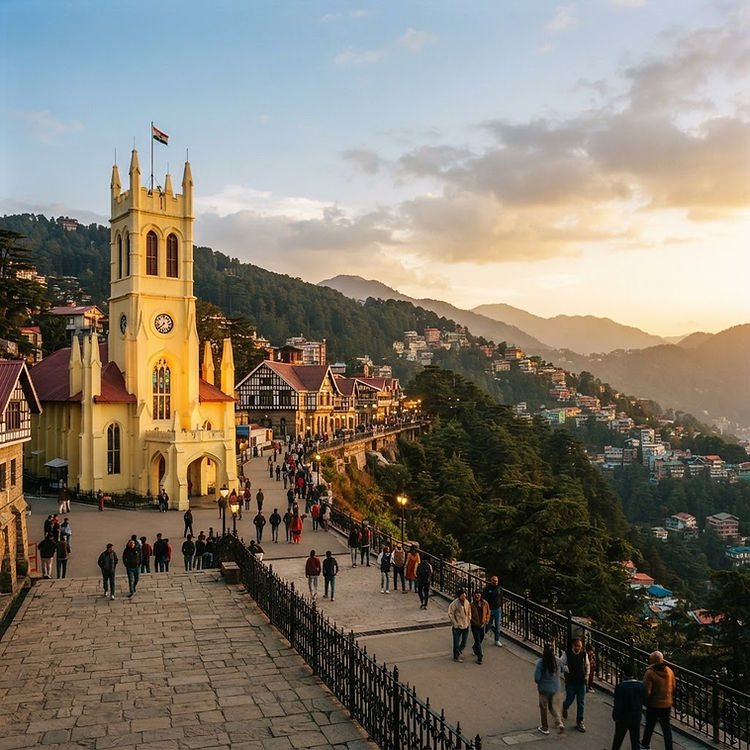
The Mall serves as the primary district for public activity, acting as the spine of the town. This pedestrian-only area contains many of the administrative offices, shopping zones, and social gathering spaces. Its layout encourages walking, allowing visitors to access central services and historic structures without the interference of vehicular traffic. This district remains the most active part of the city throughout the day.
Moving away from the center, one finds residential areas built along the steep hillsides. These districts are characterized by winding roads and colonial-era bungalows that have been adapted for local use. The atmosphere here is quieter, providing a look at the domestic side of the city. These neighbourhoods provide a sharp contrast to the density found near the ridge and the main market zones.
On the edges of the town, the districts transition into orchard country. These areas are defined by agricultural land and natural landscapes, offering a different pace compared to the inner districts. Spending time in these outskirts allows for a perspective on the region's broader environment and the connection between the urban center and its natural surroundings.
Destinations in this story

Related articles

Exploring The Distinct Neighborhoods Of Cape
Cape Town comprises various districts that offer different experiences, from historic architecture and vibrant streets to modern residential areas and quiet suburban landscapes.
Significant Monuments Of The Cape Peninsula
Key monuments across Cape Town represent the complex historical trajectory of the city, serving as anchors for understanding both colonial impact and political change.
Planning A Day Around Iconic Attractions
Organizing a day in Cape Town requires balancing natural heights and maritime history, allowing enough transition time between mountain views and the bustling waterfront.