La Moneda Palace stands as the seat of the government and a primary example of neoclassical architecture in the region. Originally constructed to house the colonial mint, the structure has witnessed significant political events that defined the modern state. Its distinct facade remains a central landmark for both visitors and residents, representing the institutional stability and the historical evolution of the governance of the nation.
The Metropolitan Cathedral, located on the northern side of the Plaza de Armas, serves as a significant religious site. Its elaborate interior and architectural history highlight the influence of the church in the development of the city. The building acts as an anchor for the historic district, serving as a reference point for those navigating the central grid. These structures are integral to the urban identity.
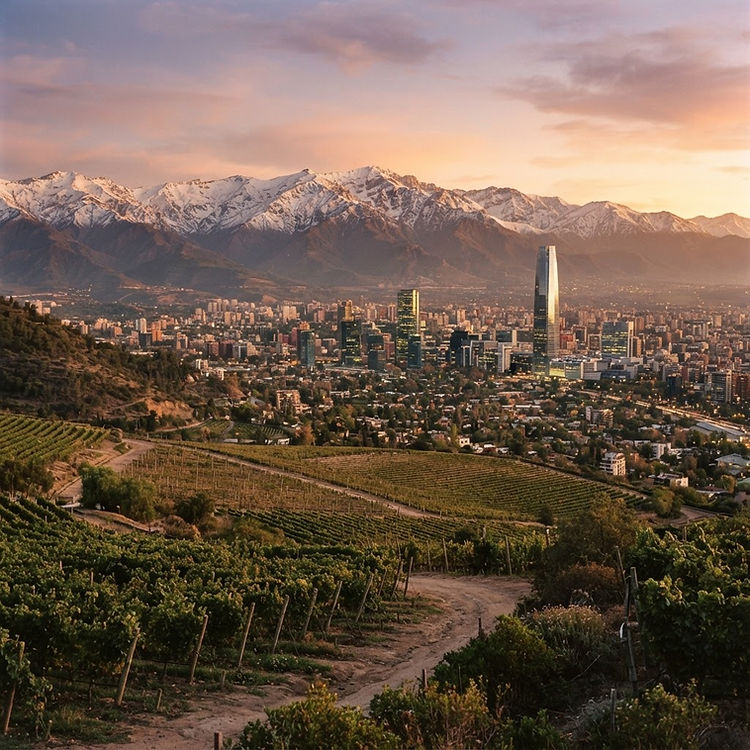
Beyond these, the hills surrounding the urban valley serve as natural landmarks. Cerro San Cristobal provides a constant frame for the skyline, connecting the city to the mountain range. These monuments and features collectively explain how the urban environment functions today.
Destinations in this story

Related articles

Exploring The Distinct Neighborhoods Of Cape
Cape Town comprises various districts that offer different experiences, from historic architecture and vibrant streets to modern residential areas and quiet suburban landscapes.
Significant Monuments Of The Cape Peninsula
Key monuments across Cape Town represent the complex historical trajectory of the city, serving as anchors for understanding both colonial impact and political change.
Planning A Day Around Iconic Attractions
Organizing a day in Cape Town requires balancing natural heights and maritime history, allowing enough transition time between mountain views and the bustling waterfront.