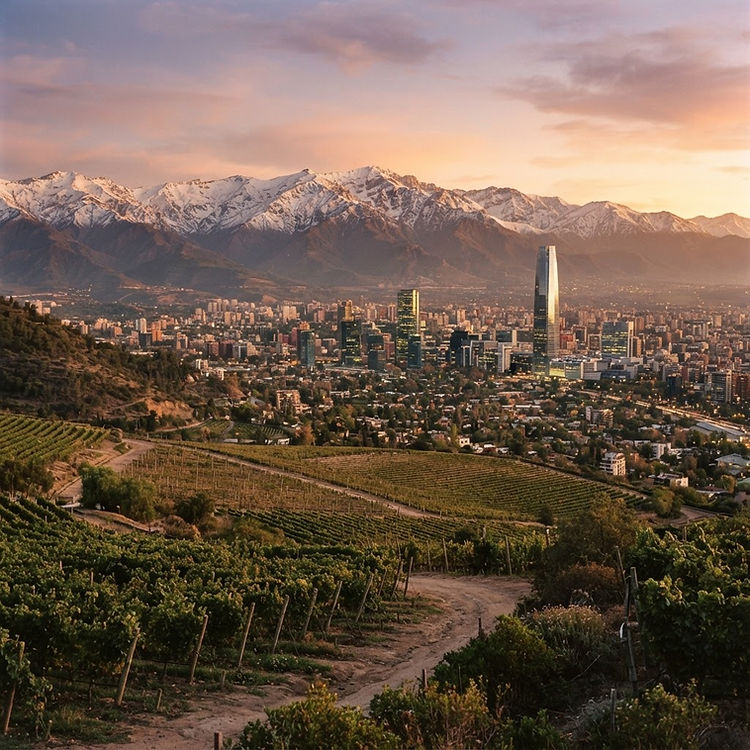
The city layout allows for an efficient exploration of major attractions by starting at the historic core. Beginning at the Plaza de Armas provides access to the Metropolitan Cathedral and the central post office building. From there, a short walk leads toward the Museum of Pre-Columbian Art, which houses artifacts detailing the history of the continent before the arrival of Europeans. This central hub is ideal for morning visits when the streets are active.
Afternoon hours are better spent moving toward the base of the surrounding hills. Cerro Santa Lucia offers landscaped walkways and fountains that provide a perspective on the city grid from an elevated position. This site serves as a transition point between the downtown commercial sector and the cultural districts located to the east. The proximity of these sites allows for a logical progression through the central urban zones.
Concluding the day near the Mapocho River offers access to the cultural facilities and public squares. This pacing ensures that one can experience the diversity of the city without excessive travel, allowing time for observations of the local environment throughout the day.
Destinations in this story

Related articles

Exploring The Distinct Neighborhoods Of Cape
Cape Town comprises various districts that offer different experiences, from historic architecture and vibrant streets to modern residential areas and quiet suburban landscapes.
Significant Monuments Of The Cape Peninsula
Key monuments across Cape Town represent the complex historical trajectory of the city, serving as anchors for understanding both colonial impact and political change.
Planning A Day Around Iconic Attractions
Organizing a day in Cape Town requires balancing natural heights and maritime history, allowing enough transition time between mountain views and the bustling waterfront.