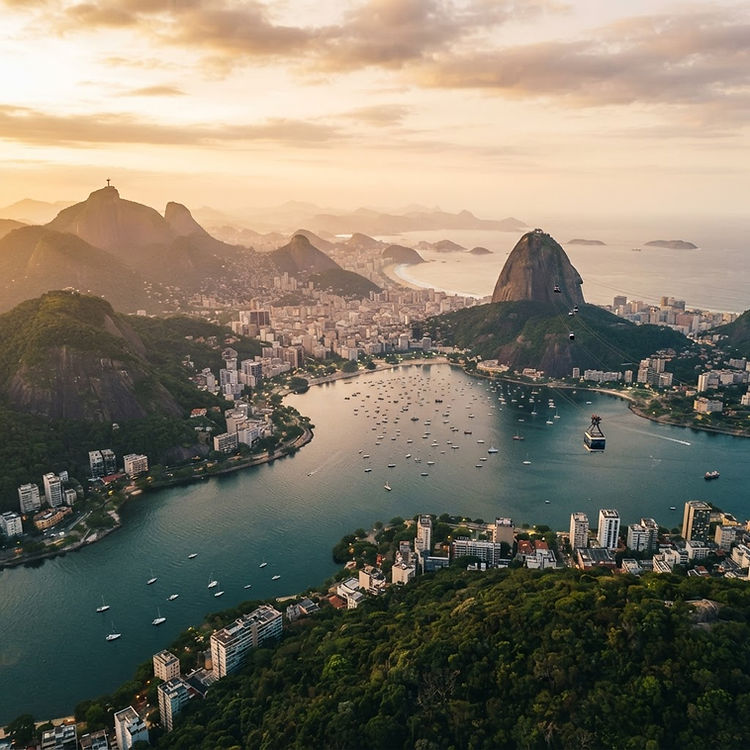
A productive day often begins at the higher altitudes to catch clear views before the midday clouds gather. Accessing the granite summits via cable car or mountain rail provides an immediate perspective of the city layout between the sea and the hills. Once back at sea level, the focus shifts to the coastal areas where wide promenades facilitate movement between major beaches. These paths allow for easy transitions between natural sights and cultural nodes located along the shoreline. Afternoon sessions are well suited for visiting botanical gardens or historic urban parks that provide respite from the heat of the city streets. Planning requires awareness of the distances between these hubs, as traffic patterns can influence transit times significantly. By grouping sites based on their proximity to the coast or the mountains, visitors can minimize travel time and maximize their period spent at each location. The city rhythm encourages a balanced approach that incorporates both active exploration and quiet reflection in the open air.
Destinations in this story

Related articles

Exploring The Distinct Neighborhoods Of Cape
Cape Town comprises various districts that offer different experiences, from historic architecture and vibrant streets to modern residential areas and quiet suburban landscapes.
Significant Monuments Of The Cape Peninsula
Key monuments across Cape Town represent the complex historical trajectory of the city, serving as anchors for understanding both colonial impact and political change.
Planning A Day Around Iconic Attractions
Organizing a day in Cape Town requires balancing natural heights and maritime history, allowing enough transition time between mountain views and the bustling waterfront.