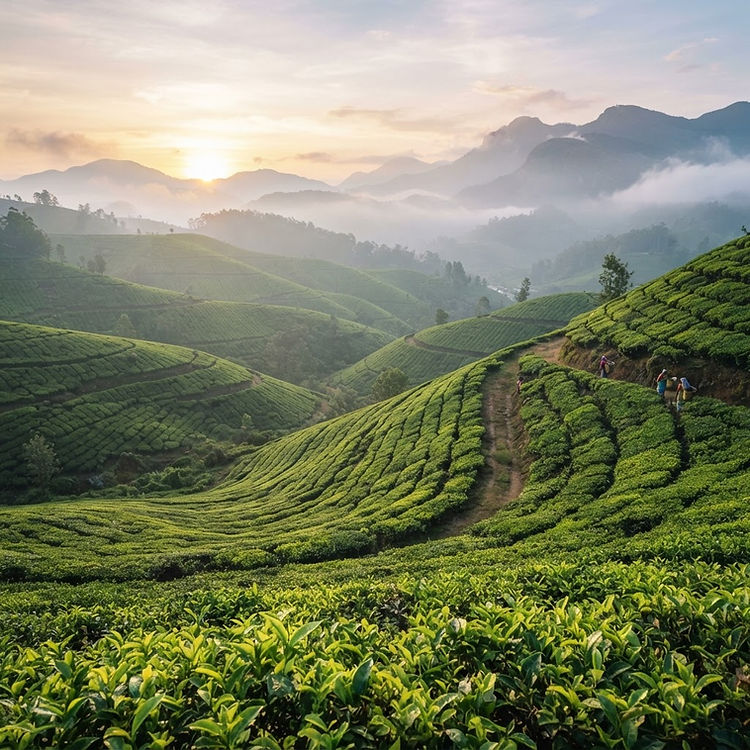
Landmarks in Munnar serve as focal points for understanding the development of the high ranges. The Tata Tea Museum stands as a key institution, showcasing the historical equipment and documentation associated with the tea industry. It provides insight into the transition from rudimentary agricultural efforts to large-scale plantation operations. The museum is regarded as a central repository for artifacts that explain the economic evolution of the area, making it a point of reference for historical interest.
Beyond the institutions, the colonial-era bungalows remain significant architectural markers. These structures represent the period of early settlement and remain in use by the plantation management. Their presence provides a sense of continuity in the landscape, anchoring the town to its origins. The physical design of these buildings reflects the pragmatic needs of early residents, adapted to the cool climate of the high altitude, and they continue to influence local architectural aesthetics.
Each landmark is integrated into the social context of the town. Whether through public institutions or private estate architecture, these sites provide a narrative of development. They are essential to the character of the region, grounding the contemporary tourist experience in the tangible history of the plantations. Their preservation ensures that the progression of the highlands remains visible to those navigating the area.
Destinations in this story

Related articles

Exploring The Distinct Neighborhoods Of Cape
Cape Town comprises various districts that offer different experiences, from historic architecture and vibrant streets to modern residential areas and quiet suburban landscapes.
Significant Monuments Of The Cape Peninsula
Key monuments across Cape Town represent the complex historical trajectory of the city, serving as anchors for understanding both colonial impact and political change.
Planning A Day Around Iconic Attractions
Organizing a day in Cape Town requires balancing natural heights and maritime history, allowing enough transition time between mountain views and the bustling waterfront.