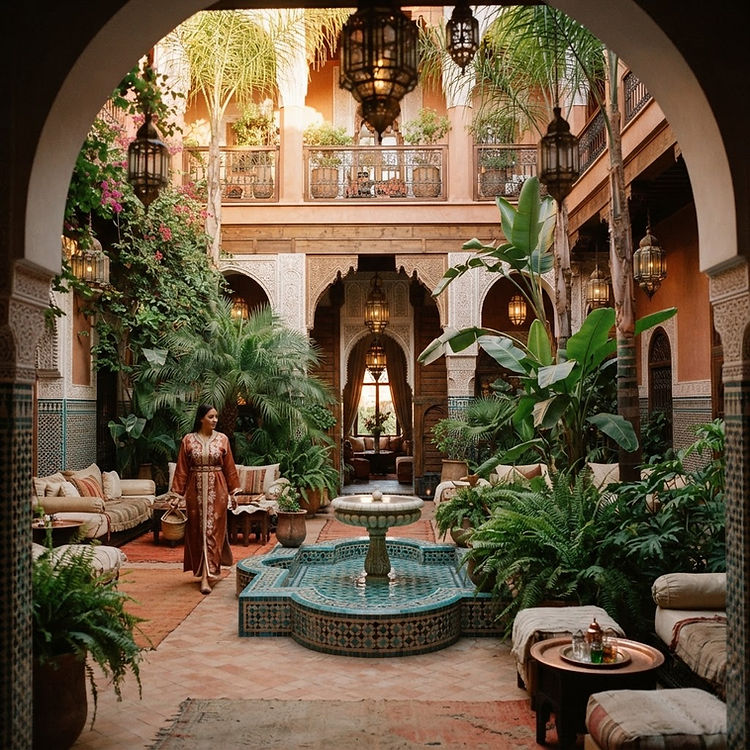
The medina serves as the historical core, defined by its wall and dense layout of residential and commercial spaces. This district hosts the primary markets and historical sites, resulting in high levels of activity throughout the day. It is a place of narrow corridors and courtyard houses where the traditional rhythm of life remains clearly visible to any observer passing through the various quarters.
In contrast, the newer districts located outside the walls provide a sense of space and modern urban planning. These areas accommodate wider roads, contemporary architecture, and residential developments that reflect the growth of the city during the last century. Moving between the medina and these outer zones provides a comprehensive view of how the city has expanded while attempting to maintain its historical integrity.
Specific sectors within the medina, such as the artisan quarters, are dedicated to particular crafts like leatherwork or metal casting. Spending time in these distinct zones allows for an appreciation of the specialized labor that keeps local traditions alive. Each district possesses a unique character, shaped by its specific combination of residents, commerce, and architecture, contributing to the broader mosaic of the city environment.
Destinations in this story

Related articles

Exploring The Distinct Neighborhoods Of Cape
Cape Town comprises various districts that offer different experiences, from historic architecture and vibrant streets to modern residential areas and quiet suburban landscapes.
Significant Monuments Of The Cape Peninsula
Key monuments across Cape Town represent the complex historical trajectory of the city, serving as anchors for understanding both colonial impact and political change.
Planning A Day Around Iconic Attractions
Organizing a day in Cape Town requires balancing natural heights and maritime history, allowing enough transition time between mountain views and the bustling waterfront.