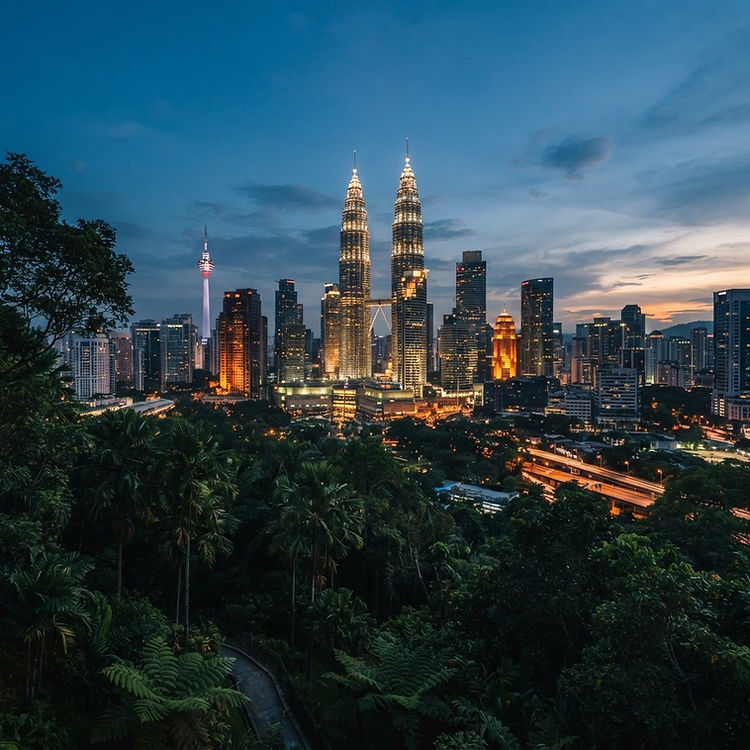
The city originated at the confluence of the Gombak and Klang rivers, where prospectors gathered to exploit the rich tin deposits of the region. This settlement rapidly transformed from a rough mining camp into a structured administrative hub under the influence of British colonial authorities. Influential figures like Yap Ah Loy were pivotal in stabilizing the early town, overseeing its expansion and recovery from periodic fires and civil conflict.
The twentieth century marked a significant period of modernization as the city transitioned into the capital of a newly independent nation. The architecture of this era, characterized by Moorish and Tudor styles, remains visible in iconic structures like the Sultan Abdul Samad Building. These legacy sites serve as a permanent record of the city's complex social and political evolution throughout the decades.
Today, the historical layers of the city persist alongside contemporary steel towers. Walking through older areas reveals a confluence of Malay, Chinese, and Indian influences that continue to define local character. This fusion of past colonial planning and rapid modernization remains central to understanding the urban fabric of the capital today.
Destinations in this story

Related articles

Exploring The Distinct Neighborhoods Of Cape
Cape Town comprises various districts that offer different experiences, from historic architecture and vibrant streets to modern residential areas and quiet suburban landscapes.
Significant Monuments Of The Cape Peninsula
Key monuments across Cape Town represent the complex historical trajectory of the city, serving as anchors for understanding both colonial impact and political change.
Planning A Day Around Iconic Attractions
Organizing a day in Cape Town requires balancing natural heights and maritime history, allowing enough transition time between mountain views and the bustling waterfront.