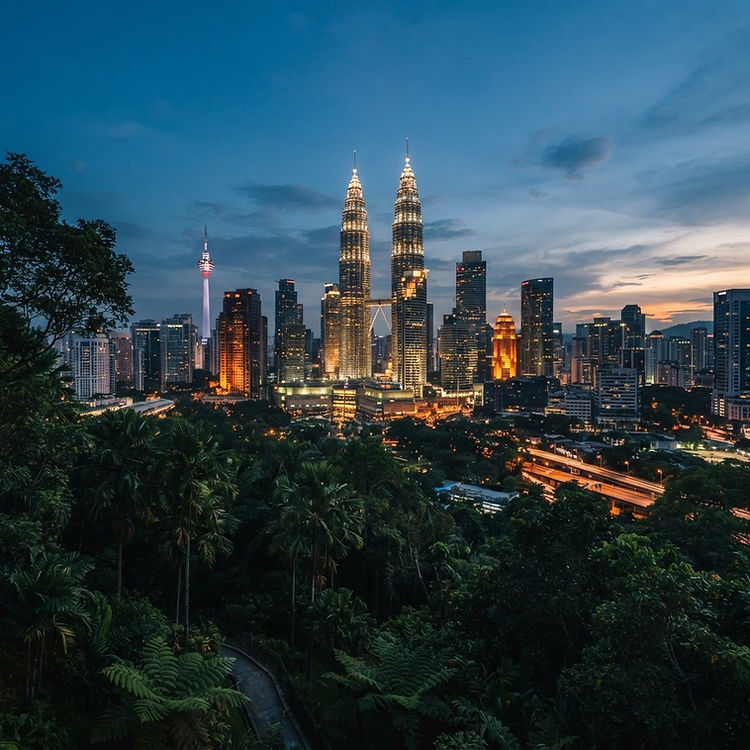
The city is divided into several unique districts, each offering a specific cultural experience. The Golden Triangle is the primary area for commerce, shopping, and high-density development. It contains the majority of the modern towers and large-scale retail centers, providing a central base for those interested in the contemporary commercial aspect of the capital city. Moving outward, residential neighborhoods maintain a distinct, more localized scale.
Chinatown and Brickfields represent historic districts where traditional architecture and community-based businesses thrive. These areas are defined by narrow streets, small-scale markets, and religious institutions that have served the population for generations. They provide a contrast to the planned layouts found in the central business districts, offering insight into the immigrant history and evolving demographics that have shaped the current urban landscape of the city.
Deciding where to spend time depends on the interest in either modern infrastructure or cultural heritage. While the central districts are focused on rapid growth and luxury, the outer neighborhoods retain a more traditional character. Understanding these boundaries helps in planning daily activities and appreciating the diverse functional roles that each district plays within the city.
Destinations in this story

Related articles

Exploring The Distinct Neighborhoods Of Cape
Cape Town comprises various districts that offer different experiences, from historic architecture and vibrant streets to modern residential areas and quiet suburban landscapes.
Significant Monuments Of The Cape Peninsula
Key monuments across Cape Town represent the complex historical trajectory of the city, serving as anchors for understanding both colonial impact and political change.
Planning A Day Around Iconic Attractions
Organizing a day in Cape Town requires balancing natural heights and maritime history, allowing enough transition time between mountain views and the bustling waterfront.