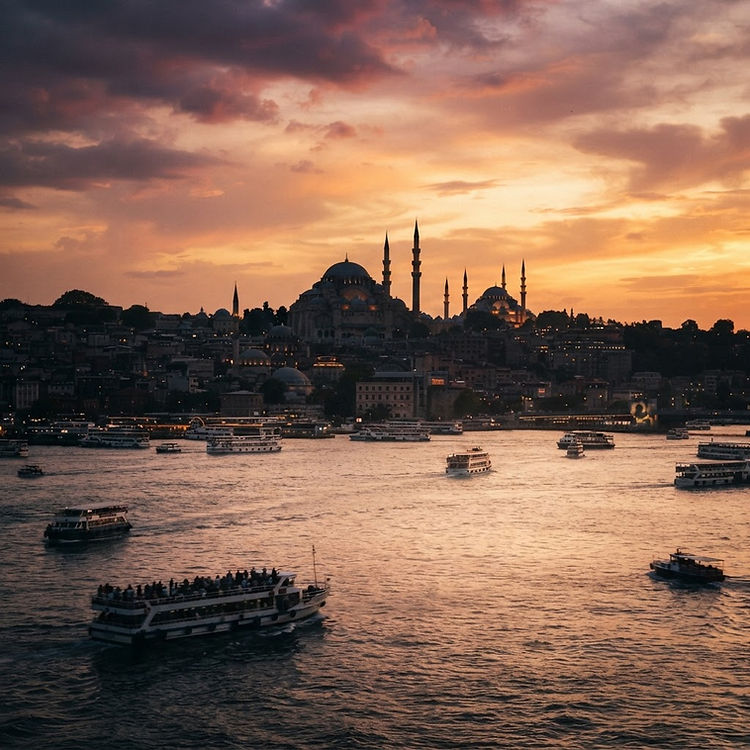
The skyline of Istanbul is defined by monumental structures that signify its importance as a former imperial center. Hagia Sophia, with its vast dome and interior mosaics, serves as a primary example of Byzantine engineering. Its transformation into a mosque added layers of Islamic architectural elements, creating a unique synthesis that has lasted centuries.
Topkapi Palace offers further insight into the administrative and social life of the Ottoman sultans. The complex consists of multiple courtyards, pavilions, and private gardens that overlook the Bosphorus. These landmarks are significant not only for their aesthetic qualities but for the historical power they represent, housing relics and artifacts from various eras of governance.
Other monuments, such as the Sultan Ahmed Mosque, provide balance to the urban silhouette through their domes and minarets. Each landmark serves as a marker for a specific period of development in the city. Understanding these structures is essential for recognizing the visual language of the landscape, which is largely influenced by the patronage of imperial figures throughout the history of the region.
Destinations in this story

Related articles

Exploring The Distinct Neighborhoods Of Cape
Cape Town comprises various districts that offer different experiences, from historic architecture and vibrant streets to modern residential areas and quiet suburban landscapes.
Significant Monuments Of The Cape Peninsula
Key monuments across Cape Town represent the complex historical trajectory of the city, serving as anchors for understanding both colonial impact and political change.
Planning A Day Around Iconic Attractions
Organizing a day in Cape Town requires balancing natural heights and maritime history, allowing enough transition time between mountain views and the bustling waterfront.