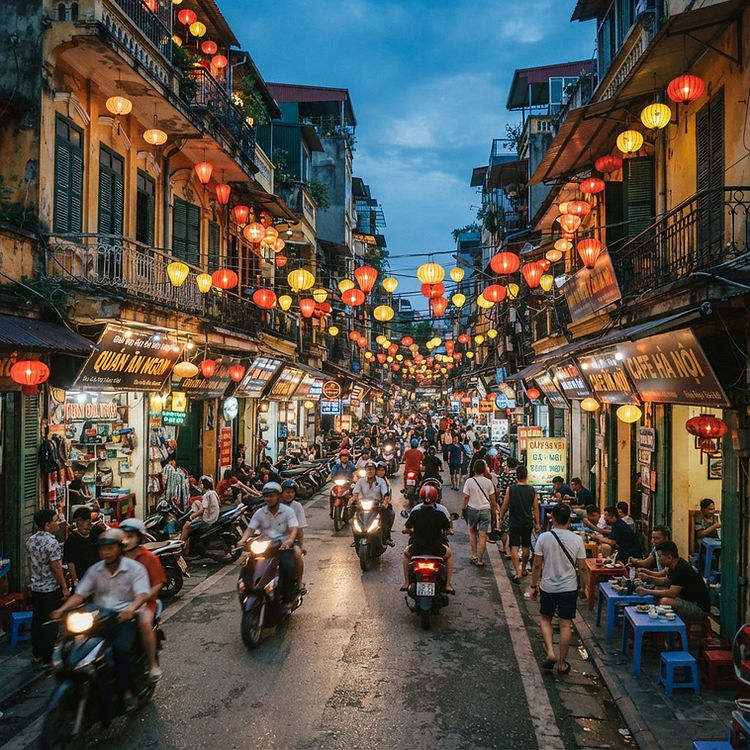
The cityscape is marked by landmarks that date back to the late nineteenth century. The Saigon Central Post Office and the Notre Dame Cathedral are primary examples of colonial architecture that demonstrate the influence of that era on the urban aesthetic. These buildings function as anchors for the district, serving as reference points for both residents and visitors navigating the complex streets.
Other sites, such as the Independence Palace, offer a different historical perspective. This structure is tied to the mid-twentieth century, acting as a site of major political shifts. The building and its grounds provide context for the events that led to the contemporary state of the nation. Its location on large, tree-lined avenues highlights the planning decisions made by previous administrations.
Each landmark carries a specific narrative that contributes to the collective identity of the city. These monuments are not merely static displays but are integrated into the modern flow of traffic and commerce. Understanding why these sites hold importance requires looking at their original purpose and how their roles have changed over subsequent decades.
Destinations in this story

Related articles

Exploring The Distinct Neighborhoods Of Cape
Cape Town comprises various districts that offer different experiences, from historic architecture and vibrant streets to modern residential areas and quiet suburban landscapes.
Significant Monuments Of The Cape Peninsula
Key monuments across Cape Town represent the complex historical trajectory of the city, serving as anchors for understanding both colonial impact and political change.
Planning A Day Around Iconic Attractions
Organizing a day in Cape Town requires balancing natural heights and maritime history, allowing enough transition time between mountain views and the bustling waterfront.