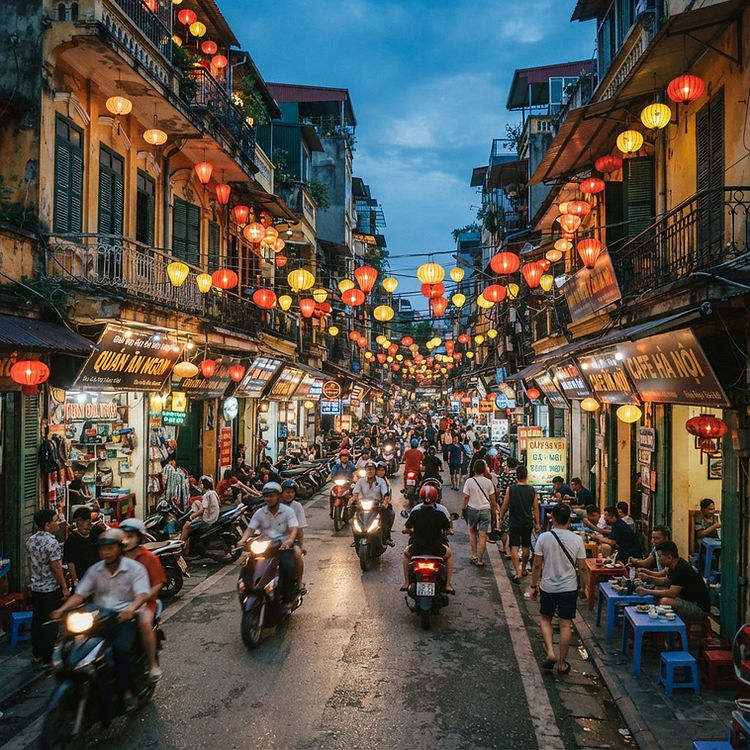
Originally known as Prey Nokor, the area served as an important port for the Khmer Empire before Vietnamese settlers expanded their influence in the seventeenth century. The arrival of French colonial forces in the nineteenth century fundamentally altered the urban layout, introducing wide boulevards and distinctive European architecture that still define many central streets today. Following the end of the conflict in 1975, the city underwent significant shifts to align with national development goals.
Modern development exists alongside these historical layers. Colonial villas now house institutions or cafes, while the influence of the American period remains visible in the infrastructure of the city. The transition from Saigon to Ho Chi Minh City involved renaming major sites and shifting the civic focus toward rapid industrialization and growth.
Today, the past informs daily life through a mixture of traditional markets and emerging high-rise districts. Understanding the city requires acknowledging how different eras occupy the same physical space. Residents navigate these shifts by maintaining old traditions in contemporary settings, ensuring that the historical narrative continues to influence the growth of this commercial center.
Destinations in this story

Related articles

Exploring The Distinct Neighborhoods Of Cape
Cape Town comprises various districts that offer different experiences, from historic architecture and vibrant streets to modern residential areas and quiet suburban landscapes.
Significant Monuments Of The Cape Peninsula
Key monuments across Cape Town represent the complex historical trajectory of the city, serving as anchors for understanding both colonial impact and political change.
Planning A Day Around Iconic Attractions
Organizing a day in Cape Town requires balancing natural heights and maritime history, allowing enough transition time between mountain views and the bustling waterfront.