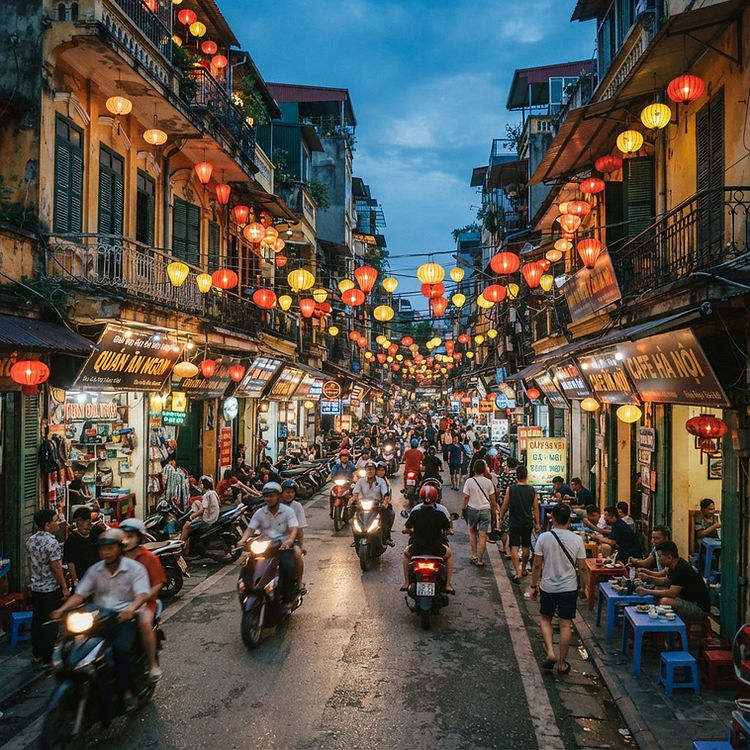
Organizing a visit requires balancing time between the historical center and the surrounding neighborhoods. The area around Dong Khoi Street provides a logical starting point, as it contains numerous sites within walking distance of one another. Focusing on this core allows for a steady pace that prevents the exhaustion often associated with navigating a large, busy metropolitan region during the midday hours.
Midday heat suggests prioritizing indoor locations like museums or galleries before transitioning to outdoor markets during the late afternoon. The proximity of cultural institutions to parks ensures that transitions between sites remain efficient. Planning around specific neighborhood clusters helps in reducing time spent in transit, which can be significant given the density of the urban grid.
By grouping attractions based on location, visitors observe the shifts in character as they move from the formal administrative center to the more dense residential streets. This method of exploration supports an understanding of how the city functions as a commercial entity while providing space for leisurely observation of the local environment.
Destinations in this story

Related articles

Exploring The Distinct Neighborhoods Of Cape
Cape Town comprises various districts that offer different experiences, from historic architecture and vibrant streets to modern residential areas and quiet suburban landscapes.
Significant Monuments Of The Cape Peninsula
Key monuments across Cape Town represent the complex historical trajectory of the city, serving as anchors for understanding both colonial impact and political change.
Planning A Day Around Iconic Attractions
Organizing a day in Cape Town requires balancing natural heights and maritime history, allowing enough transition time between mountain views and the bustling waterfront.