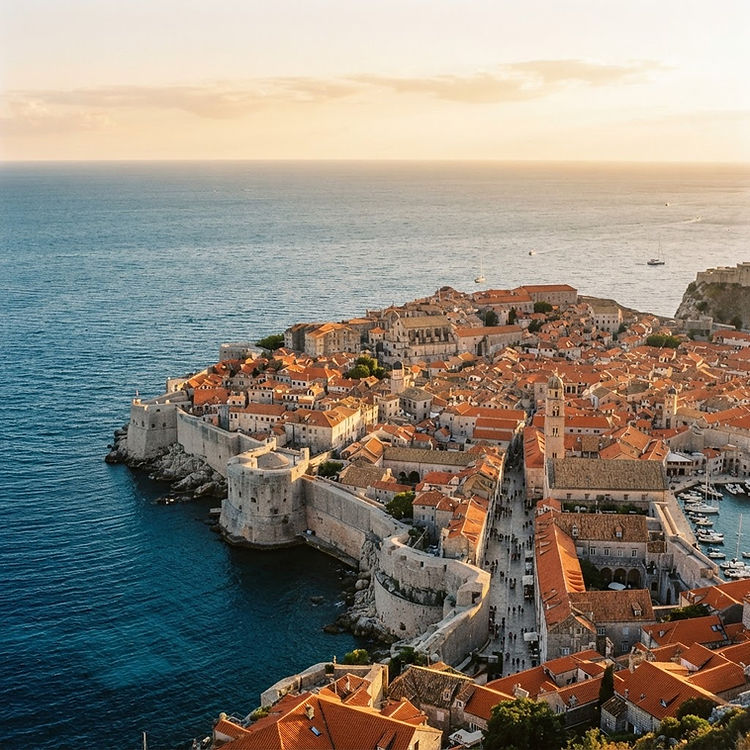
The Sponza Palace remains a landmark of architectural significance, representing the transition between Gothic and Renaissance styles. Once serving as a customs house and a mint for the republic, it now preserves vital archival documents that record the city's past. Its ornate courtyard and stone carvings highlight the wealth that trade once brought to this coastal community.
The Rector's Palace functions as a major administrative monument, having served as the seat of government during the period of the republic. Its design balances defensive utility with decorative elements that reflect the aesthetic preferences of the ruling elite. The structure houses collections that explain how the city maintained order and handled complex diplomatic relations with its powerful neighbours.
Finally, the Minčeta Tower stands as the most prominent defensive structure along the northern wall. Its circular design provides a clear vantage point over the urban landscape, symbolising the defensive commitment required to maintain sovereignty. Together, these landmarks provide a tangible connection to the administrative, cultural, and defensive frameworks that allowed the city to survive through centuries of regional conflict.
Destinations in this story

Related articles

Exploring The Distinct Neighborhoods Of Cape
Cape Town comprises various districts that offer different experiences, from historic architecture and vibrant streets to modern residential areas and quiet suburban landscapes.
Significant Monuments Of The Cape Peninsula
Key monuments across Cape Town represent the complex historical trajectory of the city, serving as anchors for understanding both colonial impact and political change.
Planning A Day Around Iconic Attractions
Organizing a day in Cape Town requires balancing natural heights and maritime history, allowing enough transition time between mountain views and the bustling waterfront.