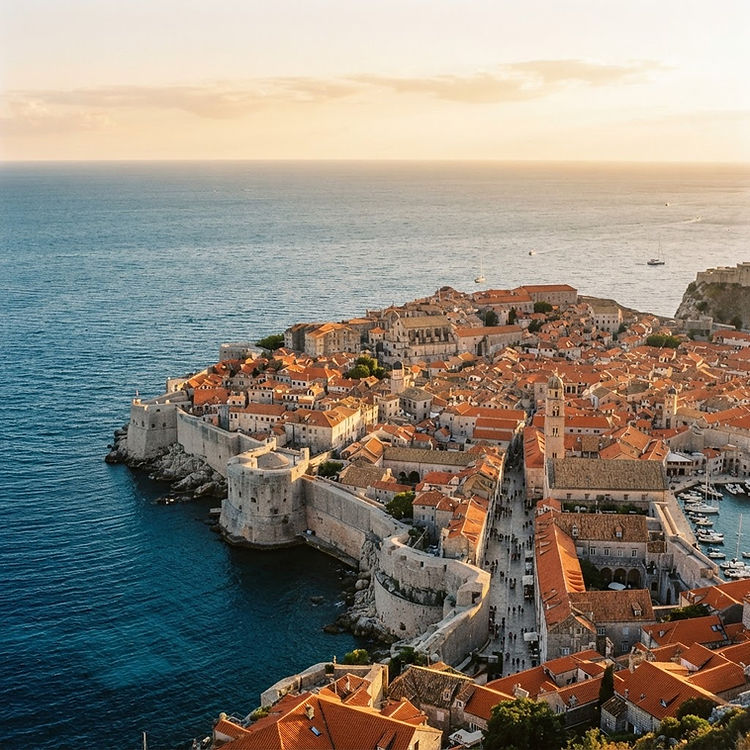
A productive day begins by walking the city walls early in the morning, which provides a comprehensive overview of the urban layout before the day grows warm. This route spans nearly two kilometres and offers uninterrupted views over the terracotta rooftops and the blue expanse of the Adriatic Sea. Descending near the Pile Gate allows for a smooth transition into the pedestrian zones.
Midday is suitable for visiting the cultural institutions located along the Stradun, the main limestone thoroughfare that bisects the historic centre. Walking through these gates and squares provides context for the city's maritime governance and religious history. Many visitors choose to spend the afternoon exploring the narrow, steep alleys that rise toward the northern edges of the fortification.
Concluding the day near the Old Port allows for a view of the ferry traffic and fishing boats returning to the docks. Watching the transition from daylight to evening in the harbour provides a quiet perspective on the city. Pacing the route logically ensures that transit between the major stone structures remains manageable and avoids the densest areas.
Destinations in this story

Related articles

Exploring The Distinct Neighborhoods Of Cape
Cape Town comprises various districts that offer different experiences, from historic architecture and vibrant streets to modern residential areas and quiet suburban landscapes.
Significant Monuments Of The Cape Peninsula
Key monuments across Cape Town represent the complex historical trajectory of the city, serving as anchors for understanding both colonial impact and political change.
Planning A Day Around Iconic Attractions
Organizing a day in Cape Town requires balancing natural heights and maritime history, allowing enough transition time between mountain views and the bustling waterfront.