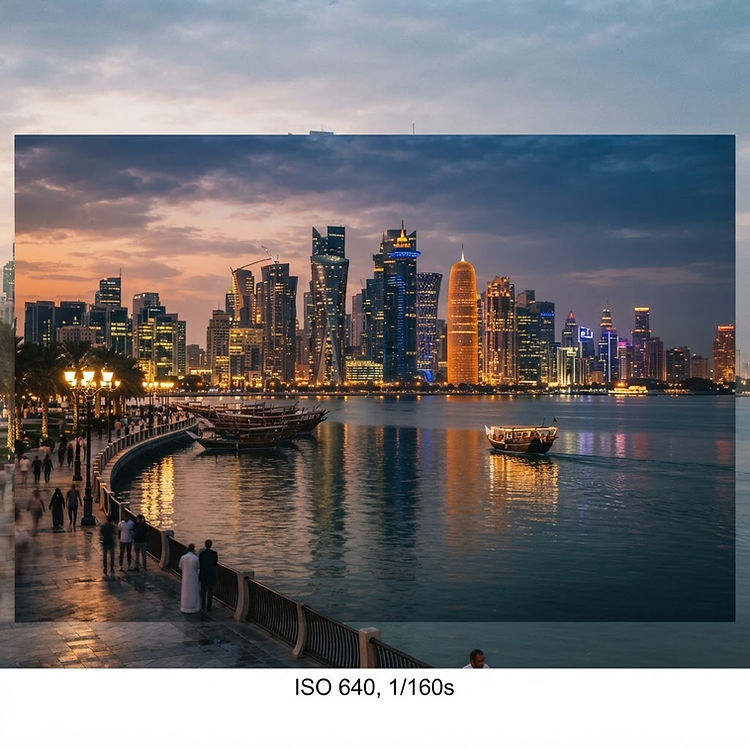
The architectural landmarks of Doha are defined by a mix of functional traditional designs and bold contemporary structures. The Museum of Islamic Art, designed with sharp geometric precision, stands as a primary monument that honors historical craftsmanship while presenting a modern facade. Its location on an artificial island highlights its significance as a focal point for both art and urban planning.
Inland and coastal districts feature other structures that symbolize the city's rapid development. These buildings often incorporate motifs derived from local history, such as the shape of traditional vessels or patterns found in regional textiles. Such details ensure that even the most modern skyscrapers maintain a visual connection to the heritage of the peninsula, grounding the urban skyline in a specific geographic and historical context.
These landmarks do more than mark locations; they act as reference points that orient residents and visitors. By observing how these monuments interact with the surrounding desert landscape and the sea, one gains insight into the city's growth. They remain central to the identity of the capital and continue to shape the city's evolving public image.
Destinations in this story

Related articles

Exploring The Distinct Neighborhoods Of Cape
Cape Town comprises various districts that offer different experiences, from historic architecture and vibrant streets to modern residential areas and quiet suburban landscapes.
Significant Monuments Of The Cape Peninsula
Key monuments across Cape Town represent the complex historical trajectory of the city, serving as anchors for understanding both colonial impact and political change.
Planning A Day Around Iconic Attractions
Organizing a day in Cape Town requires balancing natural heights and maritime history, allowing enough transition time between mountain views and the bustling waterfront.