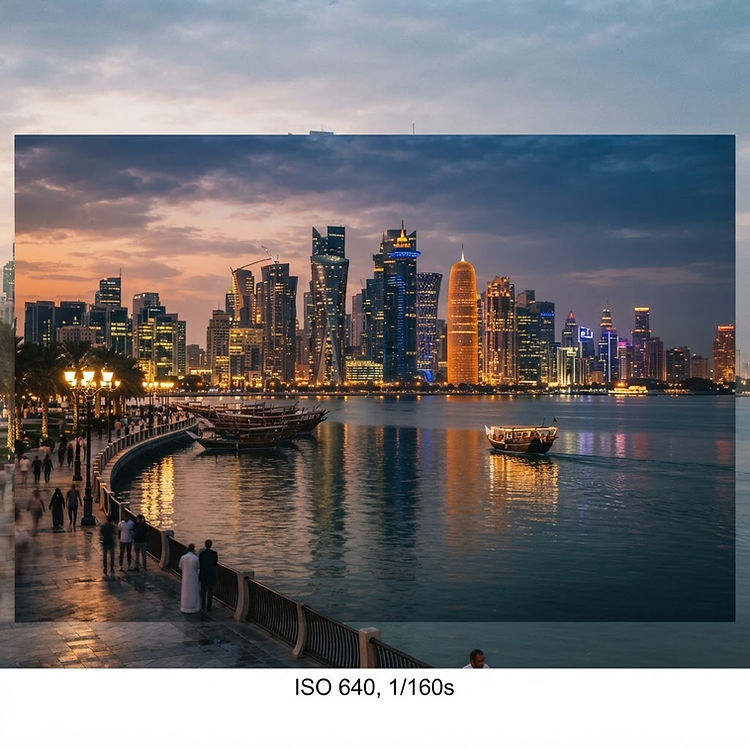
Doha originated as a modest fishing and pearling settlement along the Arabian Gulf coast during the nineteenth century. The town grew gradually under local rule before the discovery of oil and natural gas transformed the regional economy in the twentieth century. This rapid modernization shifted the city from a maritime hub into a global metropolitan center while maintaining ties to its heritage.
The historical narrative of the city is best observed in areas where older building styles have been restored for public use. Traditional architectural elements, such as wind towers and courtyard layouts, reflect the necessity of adapting to the desert climate. These structures provide a tangible connection to the way of life before the advent of modern air conditioning and urban planning.
Today, the past influences the layout of the central districts and the design of major public spaces. By integrating historical markers into contemporary development, the city preserves its identity. Visitors can identify these historical layers within the dense urban fabric, noting how the city balances its rapid physical expansion with its foundational cultural origins.
Destinations in this story

Related articles

Exploring The Distinct Neighborhoods Of Cape
Cape Town comprises various districts that offer different experiences, from historic architecture and vibrant streets to modern residential areas and quiet suburban landscapes.
Significant Monuments Of The Cape Peninsula
Key monuments across Cape Town represent the complex historical trajectory of the city, serving as anchors for understanding both colonial impact and political change.
Planning A Day Around Iconic Attractions
Organizing a day in Cape Town requires balancing natural heights and maritime history, allowing enough transition time between mountain views and the bustling waterfront.