The Bhutia Busty Monastery is one of the most significant religious sites, representing the long-standing Buddhist traditions of the Himalayan foothills. Its architecture and collection of manuscripts are essential for understanding the spiritual foundations of the area. These landmarks provide a visual anchor for the town and highlight the historical migration patterns that shaped the current demographic makeup of the hill station.
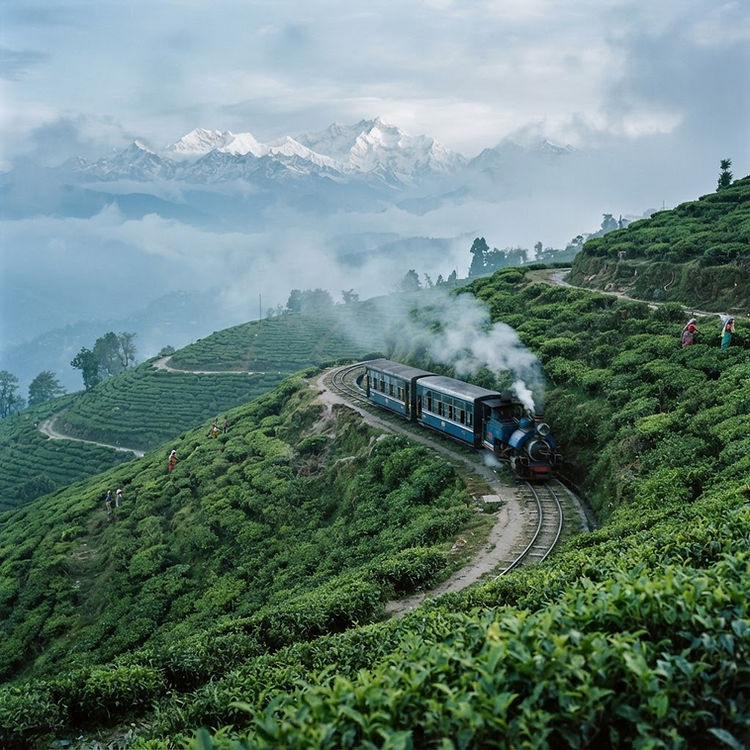
Another prominent landmark is the Darjeeling Himalayan Railway, often recognized for its technical significance in traversing mountainous terrain. The stations and the track itself are integrated into the urban design, acting as a reminder of the engineering feats attempted during the nineteenth century. These structures are maintained to preserve the character of the town and serve as a focal point for visitors.
Public squares and colonial-era churches also function as major landmarks that define the town center. These sites demonstrate the layers of cultural exchange that have occurred over centuries. Understanding the importance of these monuments requires attention to their architectural details and their function within the broader social life of the community.
Destinations in this story

Related articles

Exploring The Distinct Neighborhoods Of Cape
Cape Town comprises various districts that offer different experiences, from historic architecture and vibrant streets to modern residential areas and quiet suburban landscapes.
Significant Monuments Of The Cape Peninsula
Key monuments across Cape Town represent the complex historical trajectory of the city, serving as anchors for understanding both colonial impact and political change.
Planning A Day Around Iconic Attractions
Organizing a day in Cape Town requires balancing natural heights and maritime history, allowing enough transition time between mountain views and the bustling waterfront.