The center of Darjeeling is characterized by its density and proximity to major administrative and commercial hubs. This district is where the majority of retail activity occurs, and it serves as the starting point for most walking tours. The narrow streets are lined with shops and cafes, creating a vibrant environment that reflects the day-to-day life of the permanent residents and the transient population of visitors.
Moving toward the periphery, the residential districts provide a different perspective of the hill station. These areas are quieter and feature older homes built into the hillsides, often surrounded by small gardens. The terrain here is steeper, requiring more effort to navigate, but the reward is a clearer view of the valley and a respite from the activity of the main market areas.
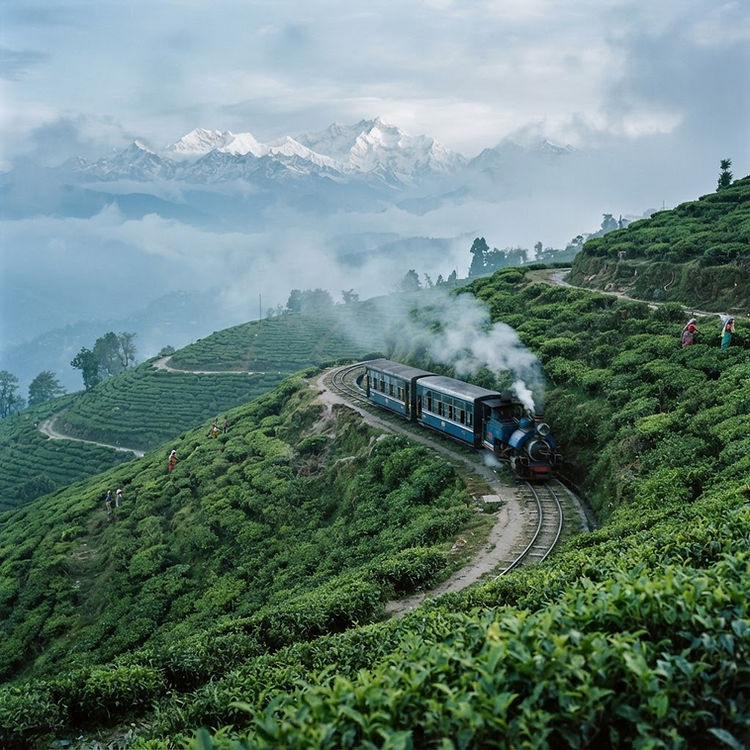
The districts surrounding the town are primarily defined by the tea estates. These regions are essential for understanding the agricultural and economic life of the area. Visiting these outskirts requires travel along winding mountain roads, where the urban character of the town transitions into the managed landscape of the plantations.
Destinations in this story

Related articles

Exploring The Distinct Neighborhoods Of Cape
Cape Town comprises various districts that offer different experiences, from historic architecture and vibrant streets to modern residential areas and quiet suburban landscapes.
Significant Monuments Of The Cape Peninsula
Key monuments across Cape Town represent the complex historical trajectory of the city, serving as anchors for understanding both colonial impact and political change.
Planning A Day Around Iconic Attractions
Organizing a day in Cape Town requires balancing natural heights and maritime history, allowing enough transition time between mountain views and the bustling waterfront.