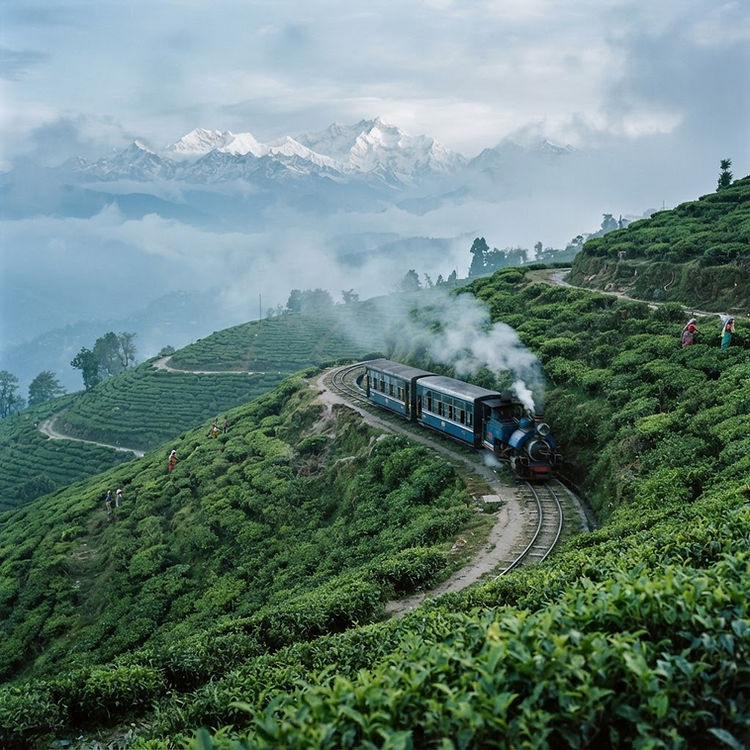
A typical itinerary begins with travel to a high vantage point to observe the peaks before the clouds settle. Many visitors prioritize the Padmaja Naidu Himalayan Zoological Park, which focuses on high-altitude animal conservation and provides insights into regional wildlife. Nearby, the Himalayan Mountaineering Institute serves as a site for understanding the history of regional expeditions and the techniques required to navigate the nearby mountain ranges.
Midday is often reserved for exploring the town center, where the influence of colonial history is most apparent. Walking through the pathways connecting the main squares allows for a gradual descent into the town, passing through markets and administrative buildings. This transition from natural attractions to urban environments helps in managing the steep terrain that defines the geography of the area.
Concluding the day often involves a visit to the local railway infrastructure or a short trek to a nearby monastery. These locations offer a quieter atmosphere compared to the main thoroughfares. By segmenting the day into outdoor morning activities and indoor afternoon site visits, travelers can experience the variety offered without excessive strain.
Destinations in this story

Related articles

Exploring The Distinct Neighborhoods Of Cape
Cape Town comprises various districts that offer different experiences, from historic architecture and vibrant streets to modern residential areas and quiet suburban landscapes.
Significant Monuments Of The Cape Peninsula
Key monuments across Cape Town represent the complex historical trajectory of the city, serving as anchors for understanding both colonial impact and political change.
Planning A Day Around Iconic Attractions
Organizing a day in Cape Town requires balancing natural heights and maritime history, allowing enough transition time between mountain views and the bustling waterfront.