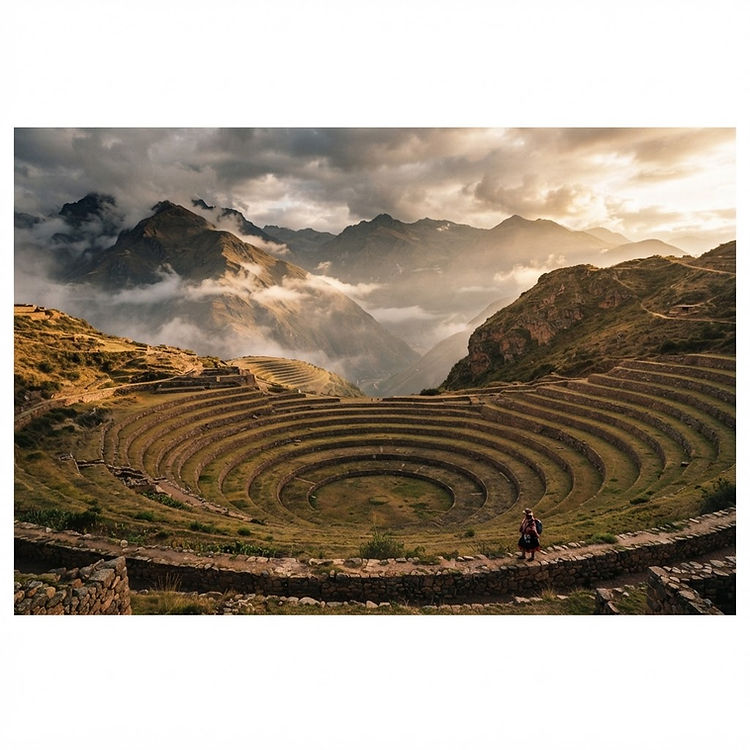
Cusco was the center of the Tawantinsuyu, the expansive Inca Empire that stretched across the Andes. The city was designed in the shape of a puma, with the Sacsayhuaman fortress serving as its head. During the fifteenth century, the city underwent significant expansion under the reign of the ruler Pachacuti, who transformed it into a complex administrative and religious hub. The stonework of this era remains visible in the central district today, serving as a permanent testament to the precise masonry techniques that allowed structures to withstand tectonic shifts. When Spanish forces arrived in the sixteenth century, they repurposed these stone foundations to build their colonial churches and residences. This layering of cultures created a unique urban landscape where indigenous cosmology frequently intersects with baroque religious traditions. The survival of these ancient walls through centuries of conflict and seismic activity defines the visual identity of modern Cusco, grounding the colonial center in a much older and more complex historical narrative that continues to influence the layout of the city streets.
Destinations in this story

Related articles

Exploring The Distinct Neighborhoods Of Cape
Cape Town comprises various districts that offer different experiences, from historic architecture and vibrant streets to modern residential areas and quiet suburban landscapes.
Significant Monuments Of The Cape Peninsula
Key monuments across Cape Town represent the complex historical trajectory of the city, serving as anchors for understanding both colonial impact and political change.
Planning A Day Around Iconic Attractions
Organizing a day in Cape Town requires balancing natural heights and maritime history, allowing enough transition time between mountain views and the bustling waterfront.