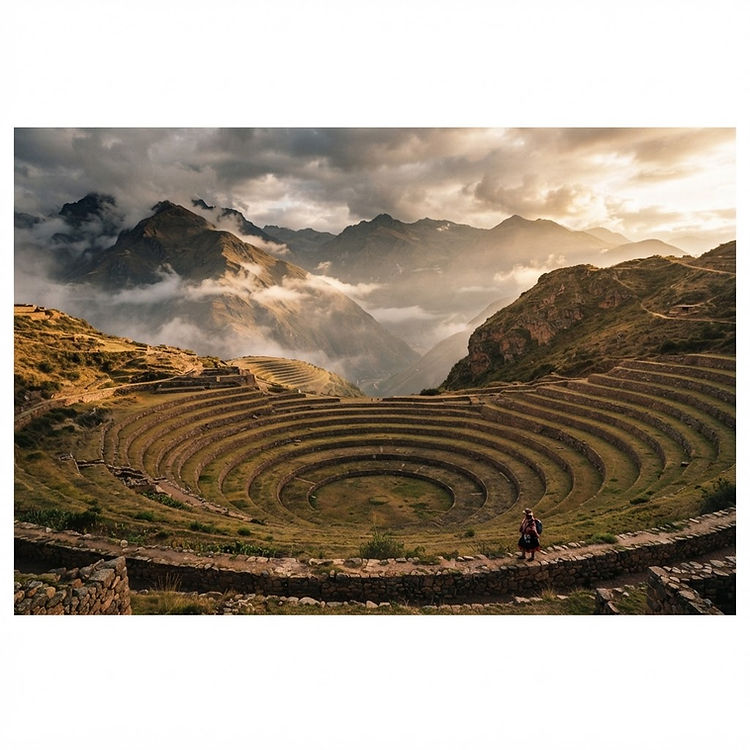
The central district functions as the primary administrative and historical hub, hosting the municipal buildings and the major religious institutions. Its streets are densely packed with architecture dating back to the colonial period. Transitioning outward, the San Blas neighborhood is defined by its steep, narrow lanes and long history as an artisan quarter. This district is known for the workshops of local woodworkers and ceramicists who maintain traditional craft practices. The area around the San Pedro market provides a different experience, characterized by constant motion and trade. This district remains the primary source for fresh produce and basic supplies for both residents and visitors. Each neighborhood in Cusco offers a different vantage point, from the bustling commerce of the market areas to the quieter, elevated views found in the artisan sectors. Navigating these districts involves moving between different layers of time, where the modern daily life of the city continues to occur against a backdrop of historic stonework and well-preserved colonial infrastructure.
Destinations in this story

Related articles

Exploring The Distinct Neighborhoods Of Cape
Cape Town comprises various districts that offer different experiences, from historic architecture and vibrant streets to modern residential areas and quiet suburban landscapes.
Significant Monuments Of The Cape Peninsula
Key monuments across Cape Town represent the complex historical trajectory of the city, serving as anchors for understanding both colonial impact and political change.
Planning A Day Around Iconic Attractions
Organizing a day in Cape Town requires balancing natural heights and maritime history, allowing enough transition time between mountain views and the bustling waterfront.