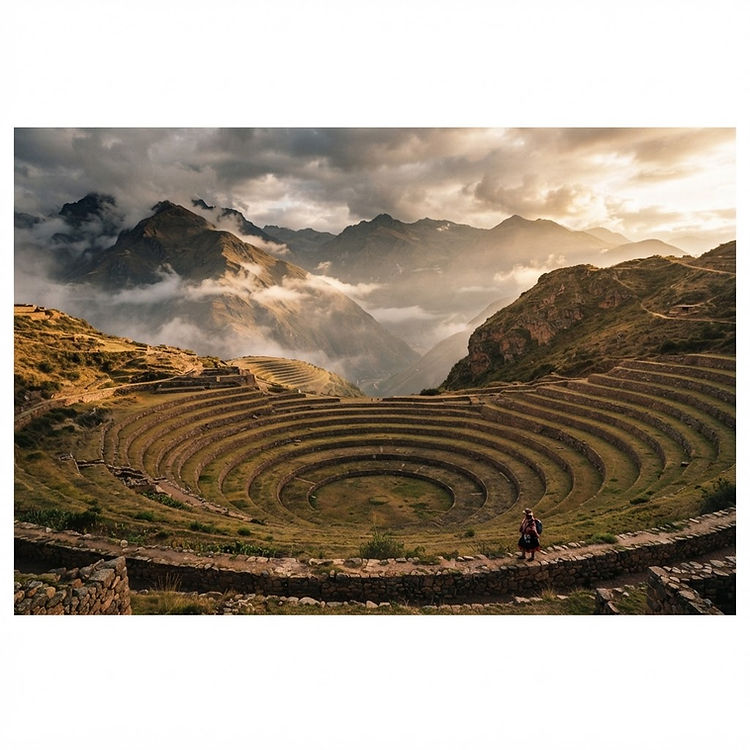
Visitors typically begin their exploration at the Plaza de Armas, which serves as the geographic and social focus of the city. From this central point, the narrow streets lead toward the Qorikancha, the former Inca sun temple. Integrating these sites into a single morning allows for a gradual acclimation to the high altitude. After visiting the central monuments, a short journey upward leads to the ruins of Sacsayhuaman. This massive site features large limestone blocks and provides an expansive view over the terracotta rooftops of the valley below. Most travelers allocate the remainder of their day to wandering the artisan workshops in the nearby hillside neighborhoods. By limiting physical exertion during the first day, guests maintain better energy for navigating the steep inclines and stone stairways that connect different parts of the urban core. Afternoon hours are suited for visiting the smaller galleries or quiet courtyards tucked away behind the thick, colonial era stone walls that define the central city grid.
Destinations in this story

Related articles

Exploring The Distinct Neighborhoods Of Cape
Cape Town comprises various districts that offer different experiences, from historic architecture and vibrant streets to modern residential areas and quiet suburban landscapes.
Significant Monuments Of The Cape Peninsula
Key monuments across Cape Town represent the complex historical trajectory of the city, serving as anchors for understanding both colonial impact and political change.
Planning A Day Around Iconic Attractions
Organizing a day in Cape Town requires balancing natural heights and maritime history, allowing enough transition time between mountain views and the bustling waterfront.