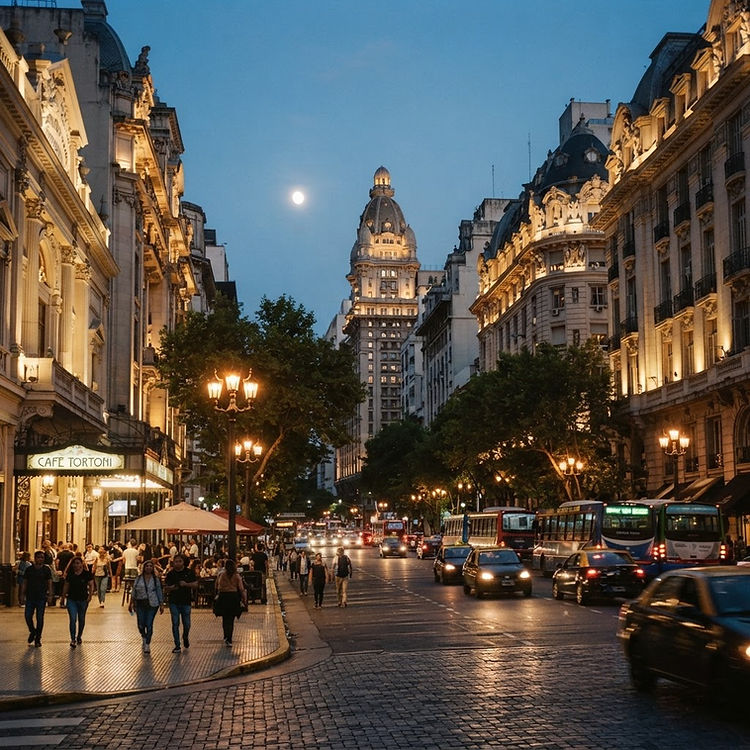
Palermo is known for its large green spaces and low-rise residential blocks that have transitioned into areas filled with boutiques and galleries. It offers a quieter pace compared to the dense urban core, making it suitable for walking and exploring small independent shops. The layout encourages a slower exploration of the city, focusing on the blend of domestic architecture and local business development.
In contrast, the district of San Telmo retains the colonial structure of the city, with narrow streets and cobblestone paths. This area is the center for antique trade and traditional markets, maintaining an atmosphere that feels disconnected from the modern commercial districts. It is an area defined by its history, with buildings that date back to the early years of the capital.
La Boca remains recognizable for its vibrant metal structures and maritime heritage. It is a dense, concentrated area where the connection to the port is most evident. Each of these districts offers a different perspective on the way the city has expanded, providing a variety of environments for residents and visitors alike.
Destinations in this story

Related articles

Exploring The Distinct Neighborhoods Of Cape
Cape Town comprises various districts that offer different experiences, from historic architecture and vibrant streets to modern residential areas and quiet suburban landscapes.
Significant Monuments Of The Cape Peninsula
Key monuments across Cape Town represent the complex historical trajectory of the city, serving as anchors for understanding both colonial impact and political change.
Planning A Day Around Iconic Attractions
Organizing a day in Cape Town requires balancing natural heights and maritime history, allowing enough transition time between mountain views and the bustling waterfront.