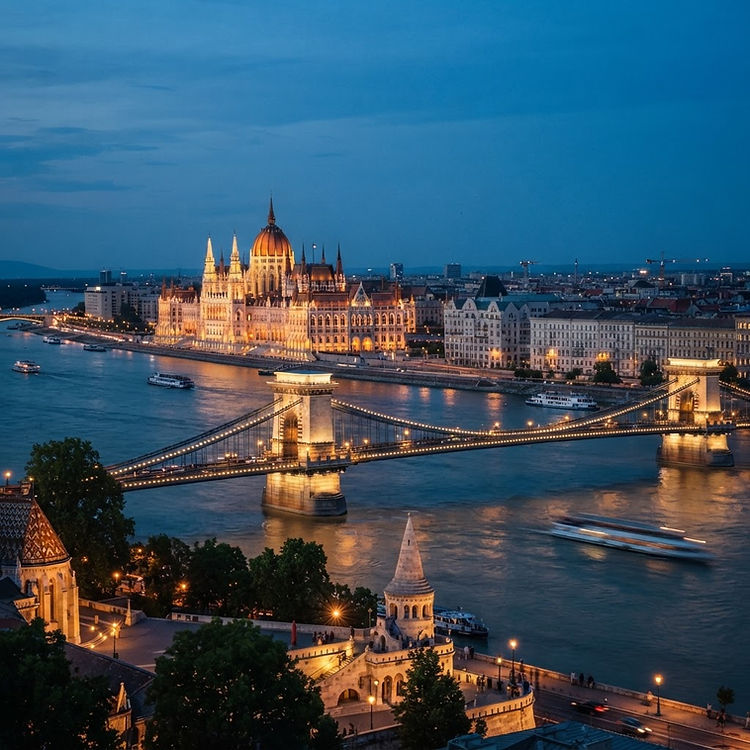
Organizing a visit requires acknowledging the natural divide created by the Danube River. Start on the Buda side, where the castle district provides a high vantage point for viewing the city. This area contains significant structures that are best visited during the early morning hours to manage foot traffic effectively. The surrounding hills offer paths that connect different historical features in a single walk.
Crossing to the Pest side shifts the focus to flat terrain and nineteenth-century urban planning. The area near the river contains major government buildings and large public squares. Visiting these locations allows for a structured approach to viewing the architecture and monuments located along the eastern bank. Connecting these sites by foot or public transit simplifies the daily route significantly.
Consider the time required to move between these two distinct areas. Using bridge crossings efficiently aids in transitioning between the hilly terrain of the west and the grid of the east. Planning stops based on their proximity to the river ensures a logical flow for the day, allowing for a balanced experience of both sides of the city.
Destinations in this story

Related articles

Exploring The Distinct Neighborhoods Of Cape
Cape Town comprises various districts that offer different experiences, from historic architecture and vibrant streets to modern residential areas and quiet suburban landscapes.
Significant Monuments Of The Cape Peninsula
Key monuments across Cape Town represent the complex historical trajectory of the city, serving as anchors for understanding both colonial impact and political change.
Planning A Day Around Iconic Attractions
Organizing a day in Cape Town requires balancing natural heights and maritime history, allowing enough transition time between mountain views and the bustling waterfront.