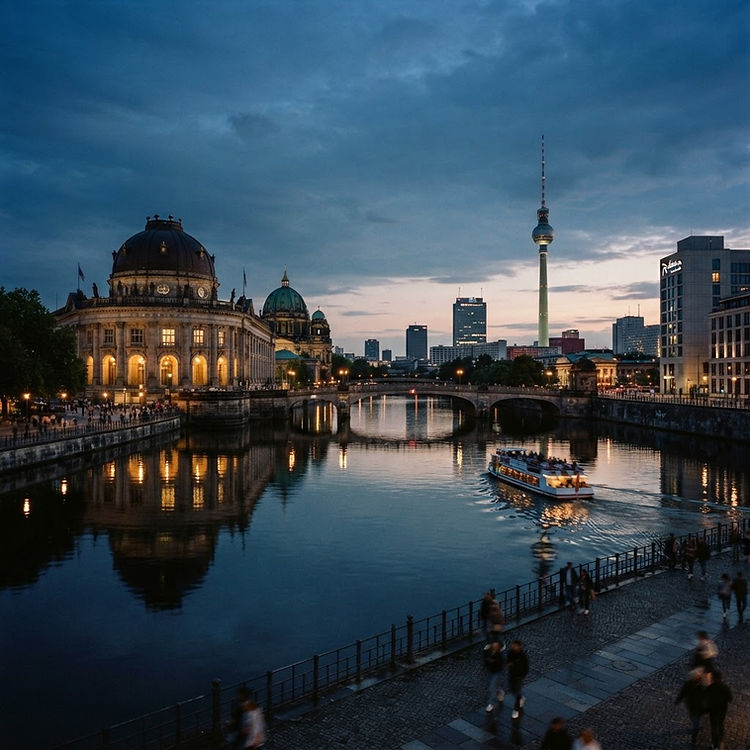
Mitte serves as the traditional core of Berlin. It contains the majority of the major museums, government offices, and historical landmarks. The architecture here is a blend of reconstructed historic buildings and modern corporate glass structures. Due to its central position, it is the most frequented area by visitors, characterized by busy intersections and high-density development. It acts as the primary administrative and touristic hub for the capital.
Moving outward, Kreuzberg is known for its social history and artistic density. This district is defined by nineteenth-century tenement housing and a strong multi-cultural influence. It remains a center for nightlife and independent galleries, attracting a younger demographic. The atmosphere here is less formal than the center, with a focus on street life and community spaces. It provides a view into the residential experience of the city.
Further west, Charlottenburg offers a more composed environment. Known for its wide boulevards and high-end retail, this district retains a nineteenth-century character. It houses significant palaces and theaters, catering to those who prefer a quieter pace compared to the intense activity found in the eastern neighborhoods.
Destinations in this story

Related articles

Exploring The Distinct Neighborhoods Of Cape
Cape Town comprises various districts that offer different experiences, from historic architecture and vibrant streets to modern residential areas and quiet suburban landscapes.
Significant Monuments Of The Cape Peninsula
Key monuments across Cape Town represent the complex historical trajectory of the city, serving as anchors for understanding both colonial impact and political change.
Planning A Day Around Iconic Attractions
Organizing a day in Cape Town requires balancing natural heights and maritime history, allowing enough transition time between mountain views and the bustling waterfront.