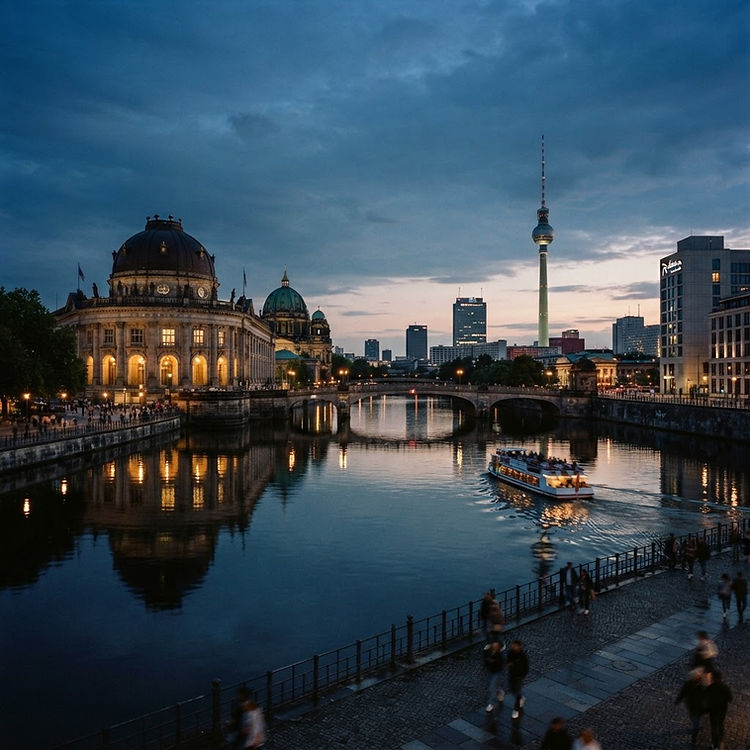
A productive day in Berlin often begins on Museum Island. This central district is home to five major institutions displaying collections ranging from antiquity to the nineteenth century. By focusing on the concentrated architecture of this area, visitors can navigate several notable collections within a short walk. The proximity of the cathedral and government buildings allows for a logical progression through the central Mitte district, which acts as the geographical and historical anchor for most tourists.
After exploring the island, moving westward toward the Tiergarten park provides a change of pace. This large urban forest contains several significant monuments and serves as a green buffer between the bustling commercial streets and the quieter government sectors. Walking paths lead directly from the park to the Brandenburg Gate, which connects the historical center to the modern thoroughfares of the west.
Structuring a visit requires careful selection of sites to avoid fatigue. Given the size of the city, focusing on one district per day is recommended. This approach allows for thorough engagement with individual galleries or historical sites without the need for constant transit across the urban landscape.
Destinations in this story

Related articles

Exploring The Distinct Neighborhoods Of Cape
Cape Town comprises various districts that offer different experiences, from historic architecture and vibrant streets to modern residential areas and quiet suburban landscapes.
Significant Monuments Of The Cape Peninsula
Key monuments across Cape Town represent the complex historical trajectory of the city, serving as anchors for understanding both colonial impact and political change.
Planning A Day Around Iconic Attractions
Organizing a day in Cape Town requires balancing natural heights and maritime history, allowing enough transition time between mountain views and the bustling waterfront.