The primary cultural attractions center around the Museumplein, where the Rijksmuseum and Van Gogh Museum are located. These institutions house extensive collections detailing national history and European art. Visitors typically begin their day here, as the proximity of these sites permits a structured visit before moving toward the historic city center to view the canal architecture.
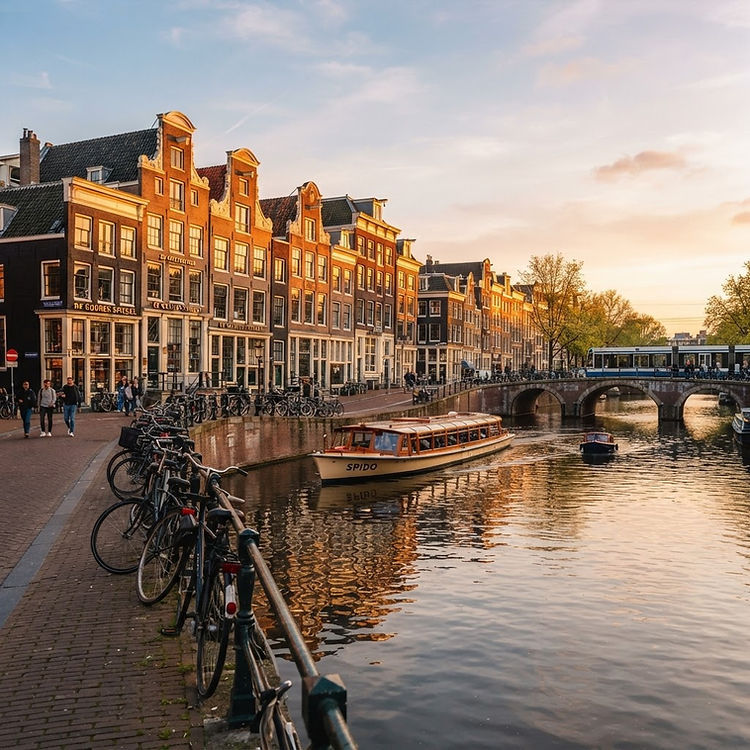
Midday is suitable for a boat tour along the UNESCO-listed canal ring. This perspective offers views of seventeenth-century gabled houses that are difficult to appreciate from the street level. Many boat routes depart near the Central Station, providing a logical flow for those navigating the city without relying on private vehicles.
Afternoon hours are ideal for walking through the Nine Streets area, characterized by independent boutiques and historic buildings. Planning a route that follows the waterways helps minimize travel time between major points of interest. By grouping activities based on their location within the canal belt, one can experience the diversity of the city while maintaining a manageable pace throughout the day.
Destinations in this story

Related articles

Exploring The Distinct Neighborhoods Of Cape
Cape Town comprises various districts that offer different experiences, from historic architecture and vibrant streets to modern residential areas and quiet suburban landscapes.
Significant Monuments Of The Cape Peninsula
Key monuments across Cape Town represent the complex historical trajectory of the city, serving as anchors for understanding both colonial impact and political change.
Planning A Day Around Iconic Attractions
Organizing a day in Cape Town requires balancing natural heights and maritime history, allowing enough transition time between mountain views and the bustling waterfront.