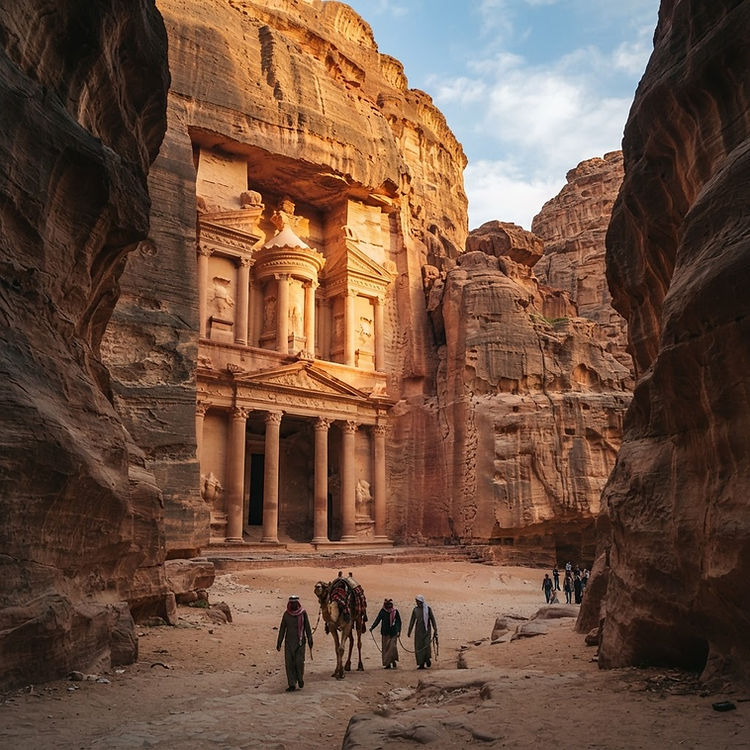
Known in antiquity as Philadelphia, Amman stands as a testament to the diverse civilizations that have shaped the Jordanian landscape. The city transitioned from an Ammonite power center to a significant outpost under the Roman Empire, leaving behind structural remnants that continue to influence the urban layout today. This historic core remains the heart of the capital.
Following centuries of regional shifts, Amman evolved into a hub for trade and administration in the twentieth century. The preservation of archaeological sites amidst expanding residential hills reflects the ongoing dialogue between the past and present. The stone architecture that defines the city skyline serves as a permanent reminder of its enduring regional importance.
Today, the city displays a distinct blend of classical foundations and modern infrastructure. Visitors moving through the streets encounter layers of time reflected in the varied building styles and communal gathering spaces. Amman retains its role as a pivotal point for cultural exchange, where historical memory remains woven directly into the fabric of daily urban life.
Destinations in this story

Related articles

Exploring The Distinct Neighborhoods Of Cape
Cape Town comprises various districts that offer different experiences, from historic architecture and vibrant streets to modern residential areas and quiet suburban landscapes.
Significant Monuments Of The Cape Peninsula
Key monuments across Cape Town represent the complex historical trajectory of the city, serving as anchors for understanding both colonial impact and political change.
Planning A Day Around Iconic Attractions
Organizing a day in Cape Town requires balancing natural heights and maritime history, allowing enough transition time between mountain views and the bustling waterfront.